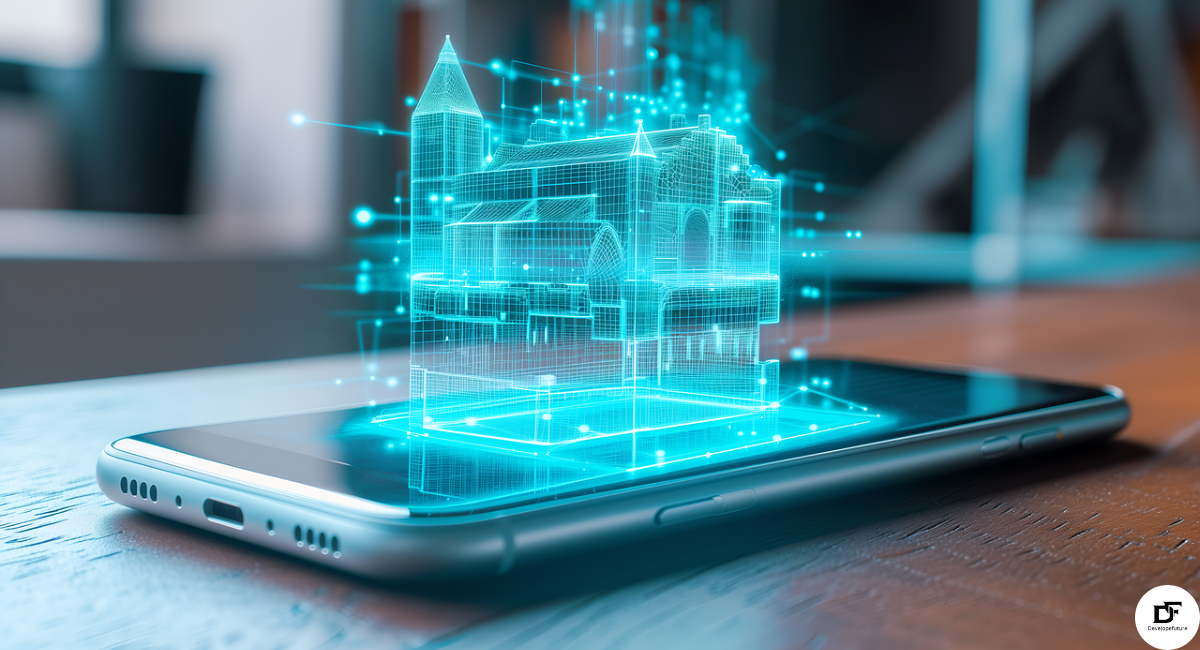
Hologram technology uses light patterns to create floating three-dimensional images. These images appear real because they reflect light from detailed angles. Many industries now experiment with holograms for communication and digital presentations. Students often learn about holograms through simple demonstrations using laser lights. Modern systems use advanced tools, making holograms look increasingly lifelike today.
People enjoy holograms because they offer exciting and immersive visual experiences. Businesses use holograms to display products with engaging, futuristic presentations. Scientists study holograms to understand how light interacts with different surfaces. Educators use holographic tools for teaching complex concepts through visual clarity. Technology companies constantly build improved devices for producing sharper hologram projections.
Holograms must have several technologies working together to create realistic effects. Different systems use lasers, sensors, projections, and graphics engines for holography. Each technology handles a specific task that supports accurate three-dimensional visuals. Engineers continue improving holographic performance using more stable and powerful components. Understanding these systems helps explain how holograms have become increasingly advanced today.
Table of Contents
How Laser Interference Systems Produce Detailed Holographic Light Patterns
Laser interference systems create holograms using controlled beams forming light patterns. These beams split into reference paths that interact with illuminated objects. The overlapping waves capture depth information, producing realistic three-dimensional recordings. Scientists value laser interference because it generates extremely accurate surface details. These systems represent the oldest holographic method still widely studied today.
Engineers use stable lasers because holography requires precise, unbroken light waves. Small vibrations can destroy patterns, making systems sensitive during operation. Modern machines include isolation platforms that reduce shaking and protect accuracy. Laser interference remains important despite newer technologies offering easier production. Students often learn interference basics before exploring advanced hologram techniques.
How Digital Light Processing Helps Build Controlled Hologram Projections
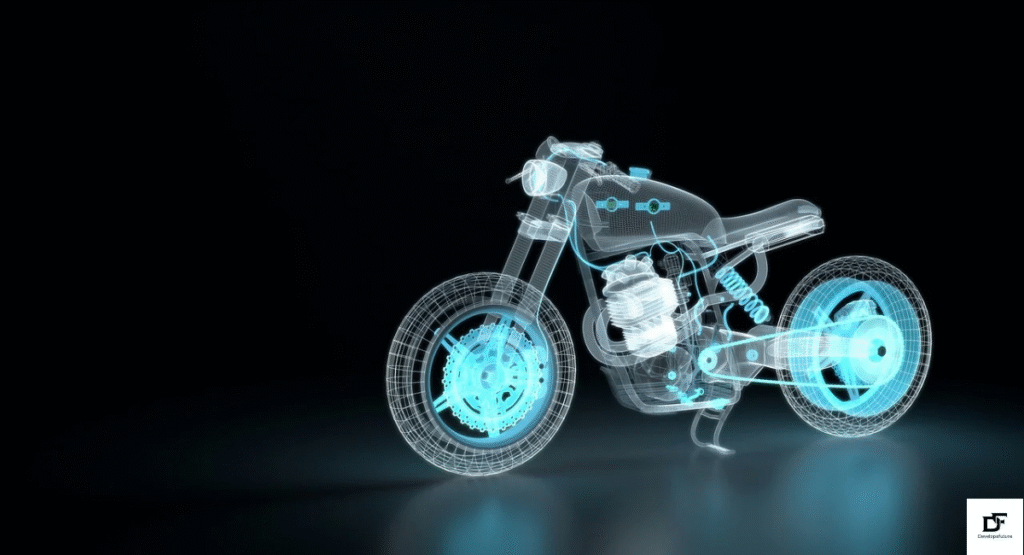
Digital Light Processing creates holograms using tiny mirrors reflecting structured patterns. Each mirror switches angles rapidly, producing complex shapes inside projected images. The system controls colors and brightness for building sharp holographic forms. Many portable hologram devices use DLP because it supports compact designs. Its speed enables smooth visuals useful for entertainment and educational displays.
DLP systems work well with graphics engines, building crisp digital holograms. Engineers program mirrors to respond accurately to computer-generated instructions. These instructions shape hologram frames appearing steady within surrounding environments. The technology allows flexible hologram scaling for different screen or stage sizes. DLP remains a popular option because it balances quality with affordability.
How Photonic Projection Panels Create Floating Mid-Air Visual Displays
Photonic panels direct light onto reflective surfaces, producing floating mid-air visuals. These surfaces scatter beams precisely, allowing images to hover convincingly above panels. Engineers design microscopic structures, helping guide projected light into stable formations. Such structures create holographic illusions appearing crisp even under bright lighting. People enjoy this effect because images seem magically suspended without screens.
Photonic projection supports interactive holograms responding instantly to hand movements. Sensors detect gestures, allowing users to manipulate shapes within projected spaces. Businesses use these displays for product showcases involving engaging customer interactions. The technology performs reliably, making it suitable for public demonstrations and exhibitions. Its smooth results help audiences understand information clearly through visual immersion.
How Volumetric Display Systems Build True Three-Dimensional Holographic Forms
Volumetric displays create genuine three-dimensional forms using rotating translucent screens. Images appear when synchronized lights illuminate points moving across spinning surfaces. This motion forms depth layers that stack into complete holographic structures visible anywhere. Users appreciate viewing angles that allow movement around displayed models without distortion. Volumetric displays offer realistic perspectives important for engineering and medical visualization.
Machines controlling rotational mechanisms must careful calibration, ensuring smooth hologram stability. Engineers synchronize lighting sequences, generating frames matching precise rotational timing. These frames merge seamlessly, producing continuous shapes rather than flickering partial segments. Volumetric systems consume significant power because illumination demands remain consistently heavy. Despite this limitation, researchers continue improving efficiency while preserving strong visual clarity.
How Augmented Reality Engines Simulate Holograms Using Digital Layer Overlays
Augmented reality engines create holograms by overlaying graphics onto real environments. Cameras capture surroundings, allowing software to place objects with accurate alignment. Users view these holograms through screens showing blended physical and digital scenes. AR holograms appear convincing because engines track motion with responsive adjustments. This approach supports learning activities demonstrating concepts through engaging visual demonstrations.
AR systems operate effectively without requiring large projection hardware or specialized surfaces. Students access holographic simulations using smartphones, enabling easy educational experiences. Developers build applications that guide learners with interactive models explaining complicated topics. Businesses adopt AR holograms to present information clearly during meetings or live demonstrations. The technology grows rapidly, making holographic content widely available and highly accessible.
How Pepper’s Ghost Techniques Produce Classic Stage Hologram Illusions
Pepper’s Ghost creates holograms using reflective glass angled before hidden performers. The glass reflects actors making ghostlike images appear floating onstage realistically. Audiences believe figures are holograms, although reflections produce the entire illusion. This method remains popular because it achieves lifelike effects using simple tools. Theme parks frequently use this technique for storytelling during dramatic theatrical shows.
Modern versions replace glass with transparent films supporting larger projected visuals. These films allow brighter images, creating clearer illusions for crowds watching performances. Engineers synchronize lighting precisely, ensuring reflections appear only under intended conditions. Pepper’s Ghost continues inspiring hologram development through its creative visual principles. Students learn this technique first because it demonstrates foundational holographic concepts.
How Light Field Displays Generate Depth With Many Angle Projections
Light field displays show holograms using multi-angle projections, creating directional rays. These rays deliver depth cues, allowing the eyes to perceive natural three-dimensional scenes. The technology simulates real depth without requiring headsets or more viewing devices. Researchers consider this method promising because it supports comfortable long-term viewing. Its natural appearance helps reduce eye strain during extended hologram observation.
Light field systems demand strong processors generating frames from many viewpoints. Each viewpoint requires detailed calculations, producing accurate angles within projected images. The computational load remains heavy, making devices expensive for everyday consumers. Companies continue researching optimizations to reduce power needs while improving visual precision. Future models may deliver affordable holograms suitable for classrooms and home entertainment.

How Plasma-Based Projection Creates Free-Floating Points of Light
Plasma holograms appear when lasers ionize air, creating bright glowing points. These points float freely, forming shapes without requiring projection surfaces nearby. Scientists appreciate plasma holograms because they exist physically rather than optically. Such displays can remain visible from many angles, providing a strong spatial presence. Their dramatic appearance makes plasma holography exciting for demonstrations and research experiments.
Creating plasma holograms requires powerful lasers capable of ionizing atmospheric particles. Machines must control pulses safely, ensuring light points form accurately positioned shapes. Safety systems prevent accidental exposure because plasma generation involves extreme energy. Engineers continue testing methods to reduce hazards while increasing hologram stability. Though challenging, plasma holography represents groundbreaking progress toward true free-floating visuals.
How Computer-Generated Holography Designs Complex Patterns Digitally Before Projection
Computer-generated holography builds holograms entirely using software and digital calculations. Programs simulate interference patterns forming three-dimensional images before physical creation. Engineers test designs virtually, reducing material waste and costly experimental setups. This method allows rapid iterations, producing higher-quality holographic outputs efficiently. Students often learn CGI holography because it teaches digital visualization techniques.
CGH depends on precise algorithms converting 3D models into light instructions. High-performance computers calculate phases producing detailed holograms visible to human eyes. Software supports adjustments such as brightness, contrast, and viewing angle optimization. Digital holography enables the creation of images too complex for conventional optical systems. This technology increasingly supports research, education, entertainment, and advanced scientific demonstrations.
How Holographic Optical Elements Control Light Within Compact Devices
Holographic optical elements manipulate light passing through transparent materials using patterns. These elements bend, split, or focus beams, forming precise holographic effects. Engineers embed HOEs in small devices, improving portability and projection efficiency. The elements remain invisible while controlling light accurately inside devices effectively. This approach enables mobile holograms suitable for consumer electronics and wearable technologies.
HOEs are designed using computational algorithms that map desired light paths precisely. Manufacturing requires high-resolution lithography to transfer patterns onto thin optical films. Researchers experiment with materials to increase durability while maintaining strong optical clarity. HOEs support compact holographic projectors delivering sharp images with low energy consumption. Their small size allows integration into smartphones, headsets, and interactive displays conveniently.
How Augmented Reality Holographic Interfaces Enhance User Interactions Digitally
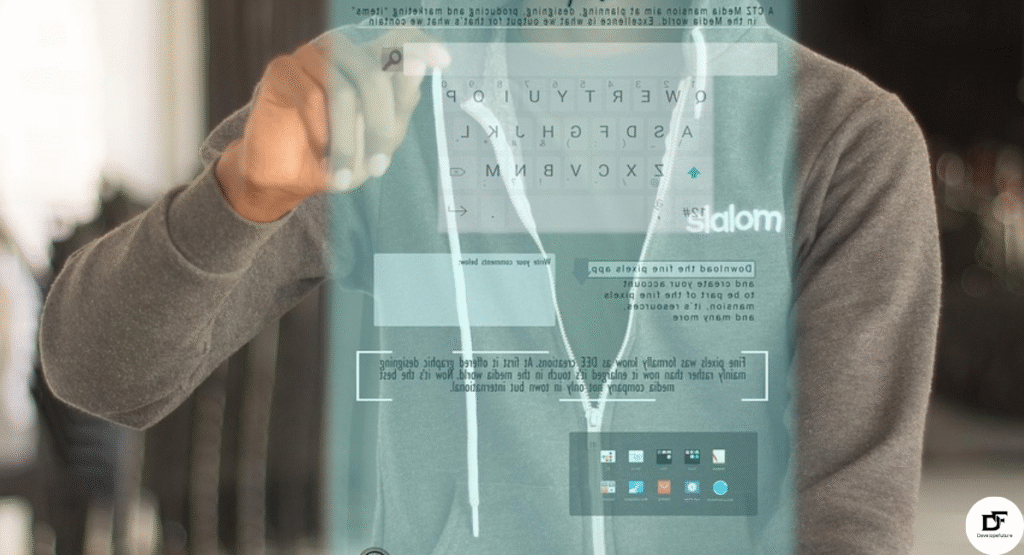
AR holographic interfaces overlay virtual content on real-world surroundings dynamically. Users interact with holograms using gestures detected by motion-tracking sensors. These systems provide real-time feedback, making experiences highly interactive and engaging. Businesses apply AR holograms for presentations, design reviews, and product demonstrations. The technology improves learning and productivity through immersive visual experiences effectively.
AR holograms adjust automatically based on user movement and perspective changes. Computer vision detects spatial relationships, enabling accurate placement of digital objects. Developers use software frameworks to simplify AR content creation for different platforms. Interactive holograms encourage collaboration as many users see synchronized visualizations simultaneously. Continued improvements expand applications including gaming, education, retail, and healthcare sectors.
FAQ’s
What devices commonly create holograms in everyday life today?
Laser projectors, AR-enabled smartphones, DLP devices, and volumetric displays create holograms.
How does laser interference help in forming holographic images?
It splits beams into reference and object paths, capturing depth information accurately.
Can holograms exist without a projection surface?
Yes, plasma and volumetric techniques allow free-floating holograms without any surfaces.
What is the role of computer-generated holography in modern systems?
CGH designs complex patterns digitally before physical holograms are projected efficiently.
How do augmented reality holograms enhance learning or entertainment experiences?
AR holograms overlay interactive virtual content over real-world surroundings effectively.
Conclusion
Hologram technology combines lasers, optics, sensors, and digital systems effectively. Different methods provide unique ways to produce realistic three-dimensional images. Engineers continually improve devices, making holograms brighter, sharper, and more interactive. Applications range from education, entertainment, healthcare, and product visualization worldwide. Understanding these technologies helps users appreciate the science behind holograms fully.
Future developments will make holograms smaller, affordable, and widely accessible quickly. New approaches include AR overlays, plasma displays, and computer-generated projections. Each innovation strengthens holographic realism, improving clarity, interactivity, and usability consistently. Students and professionals enjoy studying holography to gain practical knowledge. The combination of creativity and science ensures holograms will grow significantly.