
AV technology helps people share sound and visuals with audiences everywhere. It uses tools that show images and play audio together clearly. Students, workers, and event teams depend on AV systems every day. These systems make learning easier and communication stronger across different places. Understanding AV technology helps everyone make better choices when using equipment.
Modern AV tools combine simple hardware and software for smooth performance. They support classrooms, meetings, events, and online sessions very effectively. Good AV setups help people understand ideas quickly using clear visuals. This article explains AV technology in simple language for all readers. You will learn its meaning, components, uses, and important advantages.
We also cover planning steps, common issues, and future developments. Knowing these details helps you build strong AV systems successfully. Good preparation prevents failures during classes, meetings, or special events. With AV knowledge, you can improve communication in many environments. This guide is written clearly to support new learners confidently.
Table of Contents
Typical AV Technology Equipment Components
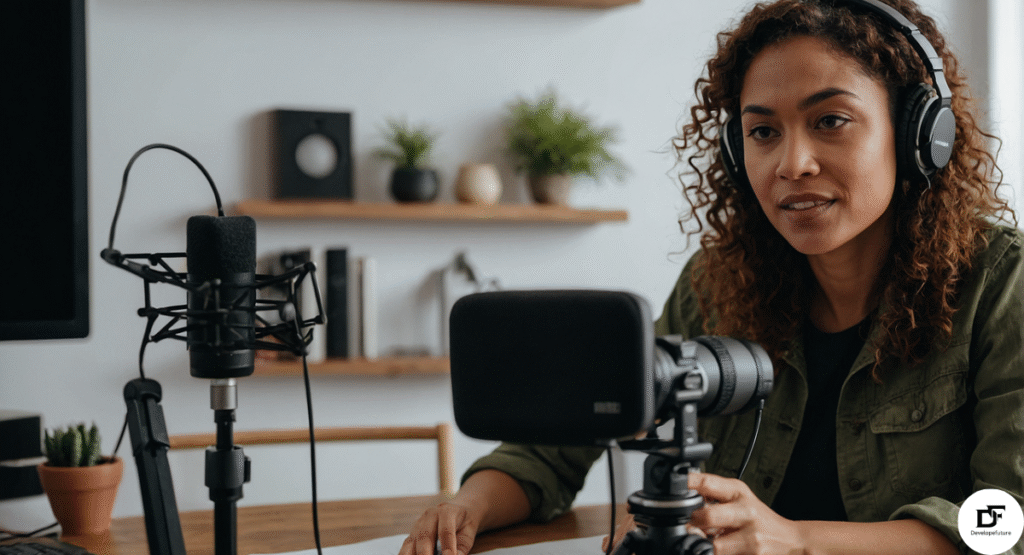
AV Technology Displays like projectors, TVs, and LED screens show clear visual content. Speakers spread sound across rooms so everyone hears messages easily. Microphones capture voices clearly and send audio to connected systems. Cameras record activities for meetings, classes, or livestream events worldwide. Mixers and switchers control different audio and video signal sources.
Cables connect all components and keep signals stable during events. Wireless tools allow flexible movement and reduce messy cable setups. Control panels help users manage volume, brightness, and device functions. Recording units store content for later use or online sharing. Lighting tools and stands support clearer visuals during presentations too.
How AV Technology Systems Work Together
AV Technology systems move sound and video signals through connected devices smoothly. Mixers adjust levels so audio stays clear and balanced always. Switchers choose which video source appears on screens during sessions. Microphones send voices to speakers or recording devices for clarity. Displays show visuals coming from laptops, cameras, or streaming tools.
AV Technology teams test equipment before events to fix any issues. They adjust sound, lighting, and angles for the best results. Backup systems prevent failure if a single device suddenly fails. Modern systems allow remote control through apps on connected devices. Everything must stay in sync so communication remains smooth throughout the event.
Common Uses Of AV Technology
Schools use AV Technology tools to help students understand lessons more clearly. Teachers show slides, videos, and diagrams for better learning experiences daily. Businesses use AV for meetings, training, and team collaboration worldwide. Events like concerts and conferences rely heavily on strong AV systems. AV helps create better engagement with clear visuals and louder audio.
Hospitals use AV for remote consultations and medical training demonstrations. Courtrooms use AV tools to record sessions and show important evidence. Retail stores use digital displays to attract buyers and promote products. Houses use home-theater systems for entertainment and immersive experiences. AV technology improves communication across many fields and environments today.

Benefits Of Using AV Technology Systems
AV systems make information easier to understand using visuals with sound. People learn faster when they see clear images and hear explanations. AV helps speakers present ideas confidently without worrying about equipment. It also supports remote meetings and classes without travel or delays. AV tools improve teamwork by helping groups connect from distant locations.
Events become more exciting when audio and visuals work together properly. Organizations save time by recording sessions for later learning. Teachers can explain difficult concepts easily with pictures and videos. AV also allows flexible setups depending on room size and audience. Good AV systems last longer and adapt to future upgrades smoothly.
Challenges In Deploying AV Systems
Buying AV equipment can be expensive for schools or businesses. Wrong installation causes sound problems or blurry visuals during events. Poor lighting or room acoustics reduce quality of recorded content. Users with little training often struggle to operate advanced equipment. Different brands sometimes create compatibility issues with existing systems.
Wireless signals can fail when interference or network issues occur. Old equipment becomes slow and requires frequent maintenance or repairs. Large systems need professional technicians for setup and daily operation. Streaming tools require stable internet to prevent lag during sessions. Security risks appear when devices connect to networks or cloud storage.

Recent Trends In AV Technology
AV over IP sends audio and video through networks more efficiently. Cloud platforms allow easy storage and remote control of setups. High-resolution displays provide sharper images for classrooms and events. AI tools improve captions, audio clarity, and camera tracking automatically. Hybrid event platforms support both in-person and remote audiences simultaneously.
Wireless AV devices reduce cables and create cleaner working environments. Portable kits allow quick setups for small meetings or outdoor events. Smart integration connects AV tools with communication apps instantly. Energy-efficient devices reduce power use and save long-term costs. Modular designs allow simple upgrading without replacing entire systems.
Planning Effective AV Technology Installations
Start by checking room size, layout, and lighting conditions carefully. Choose equipment matching audience needs and presentation goals accurately. Ensure there is enough power and network support for devices. Plan backup solutions for microphones, screens, and connection failures. Test the system before events to avoid last-minute technical problems.
Train staff to operate mixers, switchers, and control panels properly. Label cables clearly so future repairs become faster and easier. Keep manuals and diagrams for technicians handling maintenance tasks. Budget for future upgrades and license renewals when purchasing equipment. Monitor performance regularly and update tools when needed quickly.

Best Practices For Reliable AV Operation
Clean and check all cables and devices regularly for damage. Keep software updated to protect systems from bugs or failures. Always test microphones, speakers, and displays before using them. Organize wiring neatly to prevent tripping or hidden cable issues. Train presenters to understand basic controls for simple adjustments.
Use high-quality connectors to reduce audio or video signal loss. Control background noise to keep voices clear during presentations. Adjust lighting to improve visibility on screens or camera recordings. Use UPS devices to avoid shutdowns during unexpected power cuts. Review performance reports and replace old equipment on time.
Future Directions For AV Systems
Future AV will include more virtual reality and interactive tools. Artificial intelligence will simplify mixing, streaming, and overall management tasks. Ultra-high-resolution screens will offer clearer visuals for audiences everywhere. Cloud solutions will support global meetings with strong, reliable connectivity. Portable AV kits will help teams work anywhere quickly and easily.
Sustainable devices will reduce power use and protect the environment. Smart buildings will automatically adjust AV settings for different events. Security improvements will protect recordings and shared online content better. Hybrid learning and working will increase need for stronger AV setups. Future systems will become easier, faster, and more flexible overall.
FAQ’s
What is AV technology used for?
It is used to share audio and visuals through screens and speakers.
Why is AV important today?
It helps people learn, communicate, and share information more effectively.
Do small rooms need AV systems?
Yes, small rooms benefit from simple setups like microphones and projectors.
Is AV equipment difficult to manage?
It becomes easy with training, proper planning, and basic operating knowledge.
Can AV technology support remote learning?
Yes, AV tools help teachers share lessons online with clear sound.
Conclusion
AV technology helps people communicate clearly using combined sound and visuals. It improves learning, meetings, events, and remote communication reliably everywhere. Good planning, training, and maintenance keep AV systems working smoothly. New trends like AI and cloud tools make AV smarter daily. Strong AV setups support better experiences for all kinds of users.
Understanding AV basics helps people make better equipment decisions confidently. This article explained components, uses, challenges, and future possibilities. With simple language, readers now understand how AV systems function. Using AV wisely can improve education, business, and entertainment greatly. AV will continue evolving and supporting modern communication methods effectively.