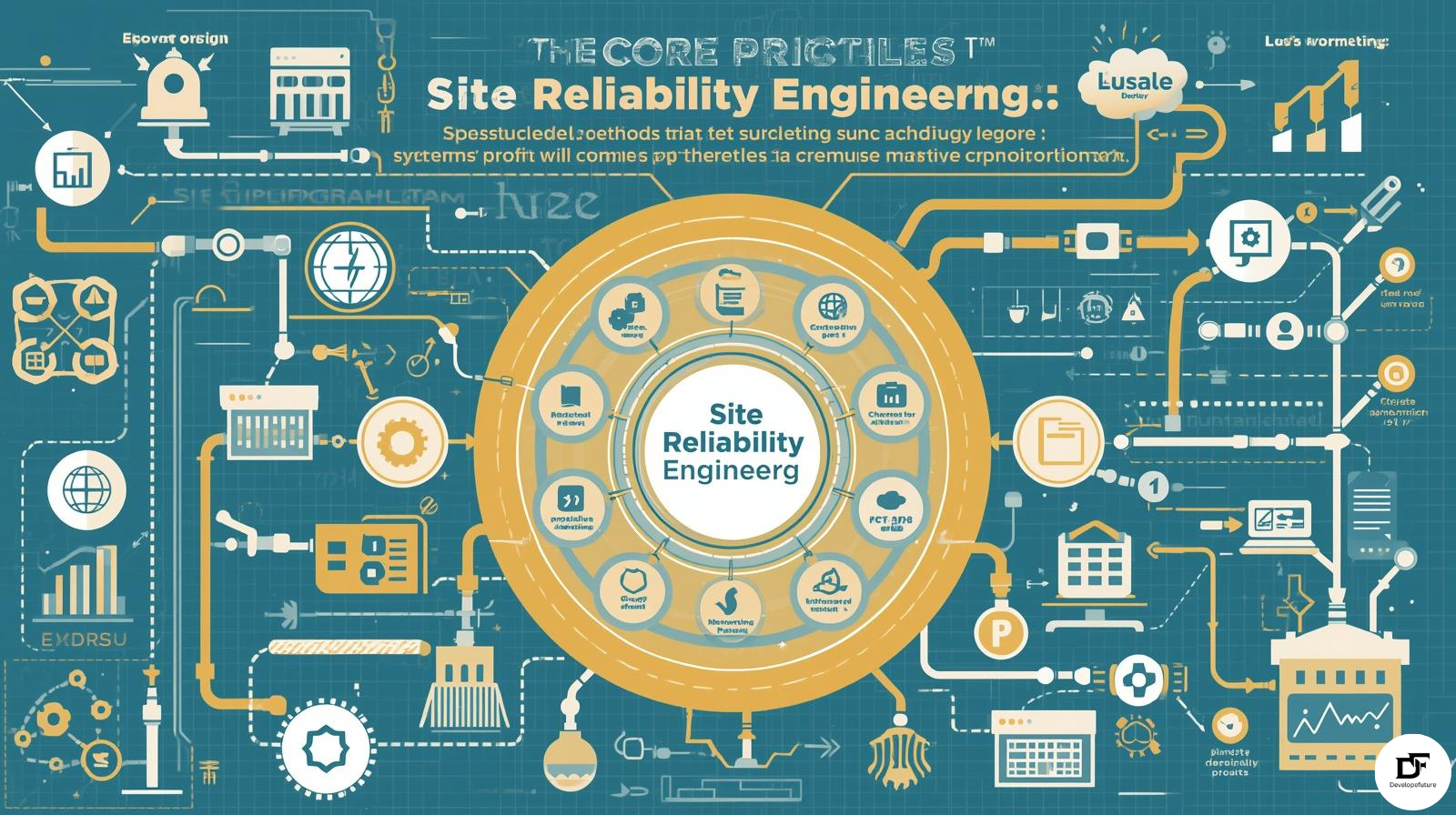

Technology continuously reshapes business operations through innovative tools, enabling improved productivity. Modern organizations depend heavily on digital solutions, driving efficiency across many departments. Companies consistently adopt technological advancements supporting sustainable growth within competitive global markets. Strategic technology investments promote stronger workflows built around automation and streamlined processes. Businesses increasingly embrace technology for better decisions influenced by accurate real-time data.
Digital transformation empowers teams with advanced resources, improving collaboration and communication effectiveness. Organizations experience enhanced performance supported by continuously evolving software platforms, guiding progress. Technology integrations simplify complex tasks while preserving operational accuracy and speed. Businesses build resilient systems, reducing risks through predictive analytics and smarter monitoring. Technology remains essential for companies seeking innovation through forward-thinking strategies leveraging data-driven insights.
Growing technological implementations create new opportunities supporting expansion across various industries. Cloud solutions introduce flexible environments enabling dynamic scalability for rising demands. Automation accelerates processes, freeing employees from repetitive tasks and improving productivity. Technology enhances customer experiences through personalized interactions delivered across diverse channels. Businesses achieve competitive advantages by harnessing technology, promoting sustainable long-term success.
Table of Contents
Technology Improves Its Efficiency
Technology accelerates workflows, allowing organizations to complete tasks with improved consistency. Automated systems reduce errors, enhancing reliability across many operational processes daily. Businesses use digital platforms, enabling centralized information access, supporting faster decision-making. Integrated tools streamline communication, simplifying coordination among cross-functional teams efficiently. Strong technological foundations ensure companies maintain performance stability even during unexpected challenges.
Technology reduces labor requirements through automation, eliminating unnecessary repetitive manual activities. Productivity increases substantially when employees focus attention on higher-value strategic responsibilities. It enhances output capabilities using advanced systems tailored for specific operational needs. Organizations adopt software solutions that optimize processes, supporting resource allocation improvements. Greater efficiency emerges as technology reinforces accuracy, consistency, and continuous workflow optimization.

Technology Enhances Customer Experiences Significantly
Businesses depend on digital tools to create personalized journeys, improving customer satisfaction levels. Technology enables targeted communication, delivering relevant information based on consumer interests. Online platforms simplify product discovery, providing effortless browsing supported by intuitive interfaces. Automated services deliver quick responses, enhancing convenience for customers seeking immediate help. Enhanced digital interactions strengthen loyalty, establishing long-lasting relationships with valued clients.
Organizations gather customer behavior data, enabling deeper insights and improving service quality. Businesses analyze trends, identifying preferences, shaping tailored solutions supporting stronger engagement. Technology enhances feedback systems, capturing real-time customer responses for improvement. Advanced CRM platforms organize interactions, providing consistent communication through streamlined channels. Companies develop refined strategies, improving customer experiences using data-supported decision-making.
Technology Strengthens Communication and Collaboration
Digital communication platforms support seamless interactions across departments, improving teamwork. Employees exchange information instantly, enabling faster completion of collaborative assignments. Video conferencing tools connect remote teams, eliminating geographical barriers in business. Messaging applications simplify coordination, ensuring that consistent progress toward organizational objectives is achieved. Technology strengthens internal alignment, enhancing productivity across distributed or hybrid workforces.
Collaborative software centralizes projects, improving transparency and workflow consistency for teams. Shared digital workspaces support real-time updates, reducing delays affecting performance. Businesses adopt systems promoting idea sharing, encouraging creativity across organizational environments. Technology supports structured communication, improving clarity through defined channels, and enhancing productivity. Strong collaboration emerges as integrated platforms unify employees within shared objectives.

Technology Enables Data-Driven Decision Making
It relies on data analytics to uncover insights guiding strategic planning efficiently. Real-time dashboards present information enabling managers to check performance accurately. Predictive models forecast trends, providing competitive advantages within evolving markets. Technology strengthens decision-making making ensuring choices align with measurable operational goals. Data improves outcomes by clarifying priorities based on reliable analytical evidence.
Organizations install data warehouses that centralize information from many internal systems effectively. Machine learning algorithms enhance accuracy in identifying patterns relevant to strategic decisions. Technology transforms raw data into actionable intelligence supporting various business functions. Its test performance metrics continuously optimize plans to achieve improved results. Strong data foundations ensure businesses operate confidently using verified digital insights.
Technology Reduces Operational Costs Dramatically
Automation tools cut labor expenses by streamlining processes requiring reduced staffing. Digital workflows lower material usage, promoting savings throughout many production stages. Technology replaces outdated systems, reducing maintenance demands and improving operational reliability. Cloud computing eliminates hardware investments, supporting scalable infrastructure without more expenses. Cost reductions strengthen competitiveness, enabling businesses to deploy resources more strategically.
Technological efficiency reduces waste, improving resource consumption across organizational operations. Optimized systems maintain consistent performance, lowering downtime associated with manual failures. Businesses reallocate financial savings toward innovation, enhancing long-term growth potential. Technology simplifies budgeting using advanced tools that predict future expenses accurately. Cost-effective operations emerge through continued technological integration supporting sustainable business success.

Technology Expands Market Reach for Businesses
Digital marketing channels help companies reach global audiences efficiently daily. Social media platforms amplify brand visibility, supporting faster engagement with customers. Online advertising targets specific demographic groups, optimizing conversions and increasing revenue. E-commerce platforms open new markets, enabling businesses to sell worldwide easily. Broader market reach supports growth, allowing companies to scale rapidly.
Technology enhances customer accessibility, strengthening product awareness across digital spaces globally. Businesses leverage analytics to measure campaign performance, supporting stronger marketing decisions. Automated marketing tools improve personalization, delivering messages aligned with individual interests. Online distribution systems reduce barriers, enabling accessible purchasing for international customers. Technology enables business expansion by optimizing outreach strategies and maximizing market opportunities.
Technology Improves Supply Chain and Logistics Systems
Businesses use technology to track inventory, improving supply chain visibility. Data systems identify shortages early, preventing disruptions affecting production schedules. Real-time monitoring enhances distribution efficiency, ensuring timely deliveries across locations. Technology enables precise forecasting, supporting better inventory planning for companies. Stronger supply chain control strengthens customer satisfaction, improving business reliability.
Automation simplifies warehousing operations, increasing accuracy throughout stocking processes daily. Sensors track shipments, guaranteeing safe transport and reduced loss risks. Logistics platforms optimize routes, decreasing delivery times and improving operational performance. Companies analyze transportation data, identifying efficiency gaps requiring immediate adjustments. Technology stabilizes logistics operations, providing consistent service supporting continuous business growth.

Technology Supports Innovation and Competitive Advantage
Technology empowers companies to develop new solutions, strengthening product capabilities. Research tools speed up experimentation, enabling faster development cycles across industries. Businesses install creative strategies supported by technological enhancements, driving innovation. Advanced digital systems support testing, enabling refined product improvements efficiently. Competitive advantages emerge through sustained innovation guided by technology investments.
Organizations analyze market data, generating ideas addressing evolving consumer expectations. Technology accelerates prototyping, transforming concepts into functional offerings rapidly. Businesses install automation, increasing production capacity supporting innovative product releases. Digital tools enhance research accuracy, ensuring solutions align with customer demands. Innovation thrives when technology strengthens creativity, supporting competitive organizational progress.
Technology Enhances Security and Risk Management
Cybersecurity tools protect sensitive information, preventing unauthorized access across networks. Advanced firewalls defend systems by blocking threats targeting valuable digital assets. Encryption technologies secure data, ensuring confidentiality throughout communication processes. Businesses install monitoring systems that identify suspicious activities requiring immediate attention. Strong security frameworks safeguard operations, protecting organizations from significant disruptions.
Risk management platforms assess vulnerabilities, supporting improved strategic mitigation planning. Technology automates security audits, enhancing accuracy across compliance procedures. Businesses test risks using predictive analytics, identifying threats proactively. Cloud security tools strengthen protection, preventing breaches affecting critical systems. Technology ensures resilience, enabling continuous business operations despite emerging digital threats.
Technology Enables Remote and Flexible Work Opportunities
Technology supports remote work, empowering employees to operate effectively anywhere. Cloud tools store information, enabling teams to access data instantly. Video platforms connect individuals, maintaining consistent collaboration across distributed environments. Digital task managers organize workloads, promoting structured productivity among remote employees. Technology enhances flexibility, supporting diverse working arrangements, improving job satisfaction.
Businesses expand hiring opportunities using remote work tools, attracting global talent. Technology improves work-life balance, enabling employees to manage responsibilities efficiently. Remote systems reduce operational expenses, lowering office space requirements significantly. Companies adopt digital security solutions to protect data access across remote locations. Technology strengthens workforce capabilities, creating adaptable environments supporting organizational growth.
FAQ’s
How does technology improve business productivity?
Technology accelerates processes, enabling employees to complete tasks with greater accuracy. Automated systems reduce workload, allowing staff to rank important activities. Digital platforms simplify coordination, supporting improved teamwork across many departments. Businesses maintain performance through streamlined operations, enhancing workflow stability consistently. Productivity increases significantly when technology supports efficient organizational systems daily.
Why is data important for business decision-making today?
Data provides valuable insights, helping leaders test strategies with improved clarity. Real-time information allows businesses to recognize trends influencing operational changes. Analytics reveal performance gaps supporting timely corrective decisions, enhancing success. Technology transforms raw information into actionable intelligence, driving strategic growth. Strong data usage ensures organizations make informed, evidence-based decisions continually.
How does technology enhance customer satisfaction in businesses?
Technology personalizes experiences, delivering tailored interactions and meeting individual customer needs. Automated responses provide convenience, ensuring quick solutions for service inquiries. Digital platforms simplify navigation, helping customers explore products more comfortably. Businesses gather feedback using technology to improve service quality progressively. Enhanced engagement strengthens loyalty, establishing stronger relationships with customers consistently.
How does technology reduce operational costs for companies?
Automation decreases labor expenses, reducing dependency on manual processing tasks. Digital tools limit resource waste, improving efficiency within production cycles. Technology eliminates outdated systems, lowering maintenance requirements across operations. Cloud services remove hardware costs, providing scalable infrastructure options. Cost savings support business expansion, enabling improved allocation of financial resources.
Why is technology essential for business security today?
Cybersecurity tools protect sensitive data, preventing unauthorized access effectively. Monitoring systems detect threats, ensuring timely responses reducing potential damage. Encryption secures communication, maintaining confidentiality across networks consistently. Predictive analytics identify risks, helping organizations strengthen defenses proactively. Technology provides essential protection, ensuring business continuity despite evolving security challenges.
Conclusion
Technology continually transforms business operations, creating opportunities supporting sustainable growth. Companies depend on advanced tools to enhance communication, collaboration, and productivity across functions. Digital adoption strengthens decision-making making enabling strategic planning supported by accurate data. Technology improves efficiency, enhancing customer experiences and operational reliability across industries. Organizations gain competitive advantages by using technology to innovate within evolving markets.
Businesses benefit significantly from cost reductions, increased accessibility, and enhanced security structures. Technology expands market reach, introducing global opportunities for long-term development. Automated systems optimize processes, supporting improved performance and resource use daily. Technology will continue shaping business success, promoting resilience and adaptability. Companies embracing innovation remain prepared for future challenges within dynamic environments.