

Cardiac technology focuses on diagnosing heart conditions using specialized medical equipment. Cardiac technologists support physicians by performing essential diagnostic tests accurately. Their work ensures the early detection of life-threatening cardiovascular problems efficiently.
Professionals in cardiac technology operate machines that record critical patient heart activity. They analyze test results to identify abnormalities requiring immediate medical intervention. Their expertise directly assists cardiologists in making accurate clinical treatment decisions.
The field combines scientific knowledge with advanced technological skills for patient assessment. Cardiac technologists play vital roles across hospitals, clinics, and diagnostic laboratories. Their responsibilities contribute significantly to improving patient cardiovascular health outcomes.
Table of Contents
Understanding The Core Purpose Of Cardiac Technology
Cardiac technology aims to evaluate cardiac function using specialized diagnostic tools. Its purpose includes detecting heart diseases before complications become dangerously severe. Technologists manage procedures, ensuring precise results for accurate cardiology clinical interpretations.
This field provides essential insights guiding early interventions and long-term treatments. Reliable diagnostic information enhances cardiovascular health outcomes for patients globally. Cardiac technology continues evolving rapidly, with advancements improving testing accuracy.
Technologists maintain equipment functionality, ensuring smooth operation during patient procedures. They assist cardiologists by collecting critical data supporting complex diagnostic decisions. Their involvement enhances medical efficiency while reducing unnecessary diagnostic delays.
How Cardiac Technologists Support Cardiologists During Procedures
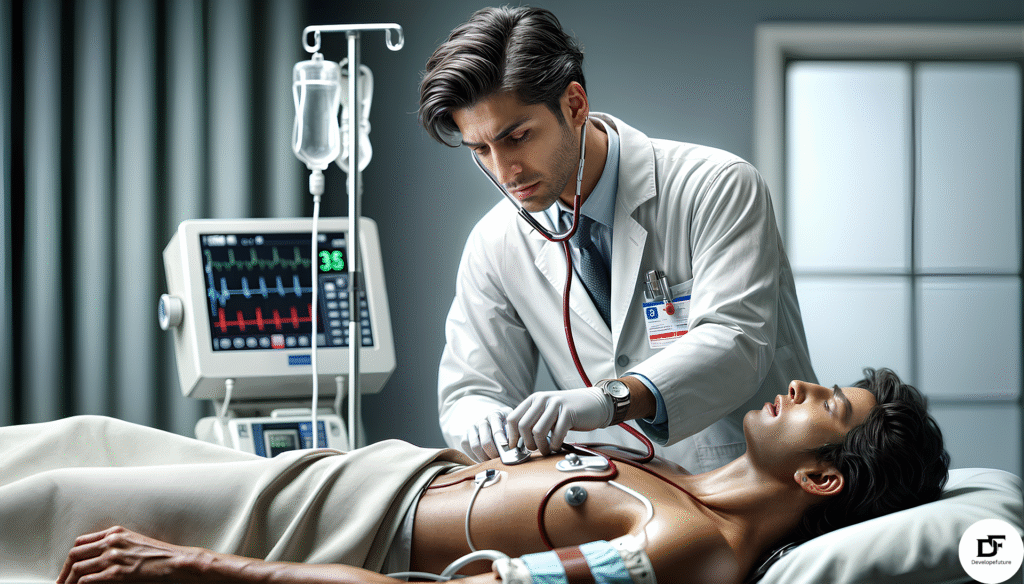
Cardiac technologists prepare equipment carefully before patients undergo essential testing. They ensure safety protocols are followed throughout all diagnostic procedures consistently. Proper test setup helps cardiologists receive clear and accurate clinical readings.
Their responsibilities extend to monitoring patients during heart-related assessments professionally. Technologists identify abnormalities requiring immediate attention from supervising physicians promptly. Effective teamwork strengthens diagnostic precision and patient safety outcomes.
They maintain communication with cardiologists regarding real-time procedural findings. Their technical expertise helps minimize errors during sensitive medical processes. Every task completed strengthens the reliability of the resulting diagnostic interpretations significantly.
Key Diagnostic Tests Performed In Cardiac Technology Practice
Cardiac technologists routinely conduct electrocardiograms, providing crucial electrical activity. These tests help detect arrhythmias, potentially indicating underlying serious cardiac issues. Timely detection enables faster treatment decisions, preventing further heart damage.
Technologists perform stress tests assessing heart performance under controlled physical exertion. These tests reveal abnormalities otherwise unnoticed during resting cardiac evaluations. Stress testing remains highly valuable for diagnosing coronary artery disease effectively.
Echocardiography uses ultrasound waves to create detailed images of heart structures. Technologists operate equipment capturing moving visuals, assisting cardiologists with interpretation. This test provides essential information regarding valve function and chamber performance.
Educational Requirements Needed To Become A Cardiac Technologist
Most cardiac technologists complete specialized degree programs focused on cardiovascular technology. Coursework includes anatomy, physiology, instrumentation, and medical diagnostic procedures. Training prepares students to perform critical diagnostic duties confidently and accurately.
Hands-on clinical rotations develop practical skills required for effective patient assessments. Students learn to operate sophisticated equipment under supervision from experienced healthcare professionals. These experiences build the competence needed for independent work after program completion.
Certification strengthens credibility and career opportunities for aspiring cardiac technologists. Many workplaces prefer certified individuals demonstrating high professional knowledge standards. Continuous learning remains essential due to rapidly advancing medical technologies globally.
Essential Skills Required For Successful Cardiac Technology Practice
Technologists need strong attention to detail, ensuring accurate diagnostic test performance. They must follow procedural guidelines precisely to maintain reliable patient results. Their work demands careful observation throughout every stage of cardiac assessments.
Communication skills help technologists explain procedures clearly to anxious patients. Reassurance improves patient comfort while encouraging cooperation during necessary testing. Positive interactions contribute significantly to improved diagnostic quality and patient experience.
Technical proficiency allows technologists to manage complex machinery confidently during procedures. They troubleshoot minor issues preventing interruptions throughout essential diagnostic tests. Continuous skill development ensures competence in handling advanced emerging technologies effectively.

Work Environment And Typical Responsibilities Of Cardiac Technologists
Cardiac technologists commonly work in hospitals supporting cardiologists and nursing teams. Their responsibilities involve preparing testing rooms and calibrating essential equipment. They maintain clinical accuracy by ensuring machines function correctly every day.
Daily tasks include conducting routine tests and documenting vital patient information. They follow strict healthcare protocols, ensuring patient safety remains prioritized. Technologists collaborate closely with interdisciplinary teams during complex diagnostic cases.
Work settings may include outpatient clinics or emergency cardiac units. Fast-paced environments require strong adaptability and calm clinical decision-making. Their important role enhances the quality of cardiovascular healthcare delivery.
Advancements Transforming Modern Cardiac Technology Practices
Technological progress continually improves the accuracy of cardiac diagnostic equipment used. Modern machines capture detailed images, enabling earlier disease identification effectively. Advancements support faster clinical decisions, benefiting patient treatment outcomes significantly.
Wearable heart monitoring devices offer extended real-time patient data collection. These tools support continuous tracking of cardiac activity outside hospital environments. Collected information helps cardiologists design personalized treatment plans effectively.
Artificial intelligence enhances diagnostic interpretation by assisting technologists with analysis. AI algorithms identify subtle cardiac changes difficult for humans to notice. This innovation improves the reliability and speed of resulting clinical reports.
Importance Of Cardiac Technology In Preventing Cardiovascular Complications
Accurate diagnostic testing helps detect problems before life-threatening complications develop. Early identification allows physicians to start appropriate treatments quickly and efficiently. Cardiac technology significantly reduces risks associated with untreated cardiovascular conditions.
Technologists provide essential information enabling targeted interventions and preventive strategies. Effective diagnostics guide decisions, preventing unnecessary hospitalizations and emergency episodes. Their work promotes healthier long-term outcomes for vulnerable heart patients.
Regular testing assists physicians in tracking the progression of diagnosed heart diseases. Monitoring helps refine treatment plans, supporting improved management strategies consistently. This approach enhances patient survival rates and quality of life.
Future Scope And Career Growth Within the Cardiac Technology Field
Demand for skilled cardiac technologists continues to increase worldwide due to rising diseases. Growing populations require more diagnostic services supporting cardiology departments effectively. This trend ensures stable career opportunities for trained cardiac professionals globally.
Innovations create new sub-specializations within cardiac technology, enhancing professional growth. Technologists may pursue advanced roles involving echocardiography or catheterization assistance. Diverse pathways enable continuous career development within the expanding healthcare sector.
Research opportunities allow technologists to contribute to improved diagnostic technologies. Their participation accelerates advancements supporting better cardiovascular disease management. The field promises rewarding careers combining science, technology, and patient care.
FAQ’s
What roles do cardiac technologists perform during diagnostic procedures?
Cardiac technologists prepare equipment, monitor patients, assist physicians, and ensure accurate results.
Is cardiac technology a suitable career for beginners in healthcare?
Yes, it offers structured training programs supporting new learners entering medical professions.
Which diagnostic tools are commonly used in cardiac technology practice?
Common tools include electrocardiograms, stress testing equipment, and advanced echocardiography machines.
Do cardiac technologists require certification for career advancement?
Certification increases professional credibility and enhances opportunities across clinical environments.
How does cardiac technology benefit long-term patient healthcare outcomes?
Accurate testing enables early detection, helping physicians design effective treatments.
Conclusion
Cardiac technology plays an essential role within modern cardiovascular healthcare systems. It empowers physicians with reliable data supporting accurate diagnoses and informed treatments. Skilled technologists continue improving safety, efficiency, and quality of patient care.
The field offers strong career potential with rapidly advancing technological developments. Continuous innovation ensures improved diagnostic accuracy and enhanced long-term patient outcomes. Cardiac technology remains vital for global efforts to combat heart diseases effectively.