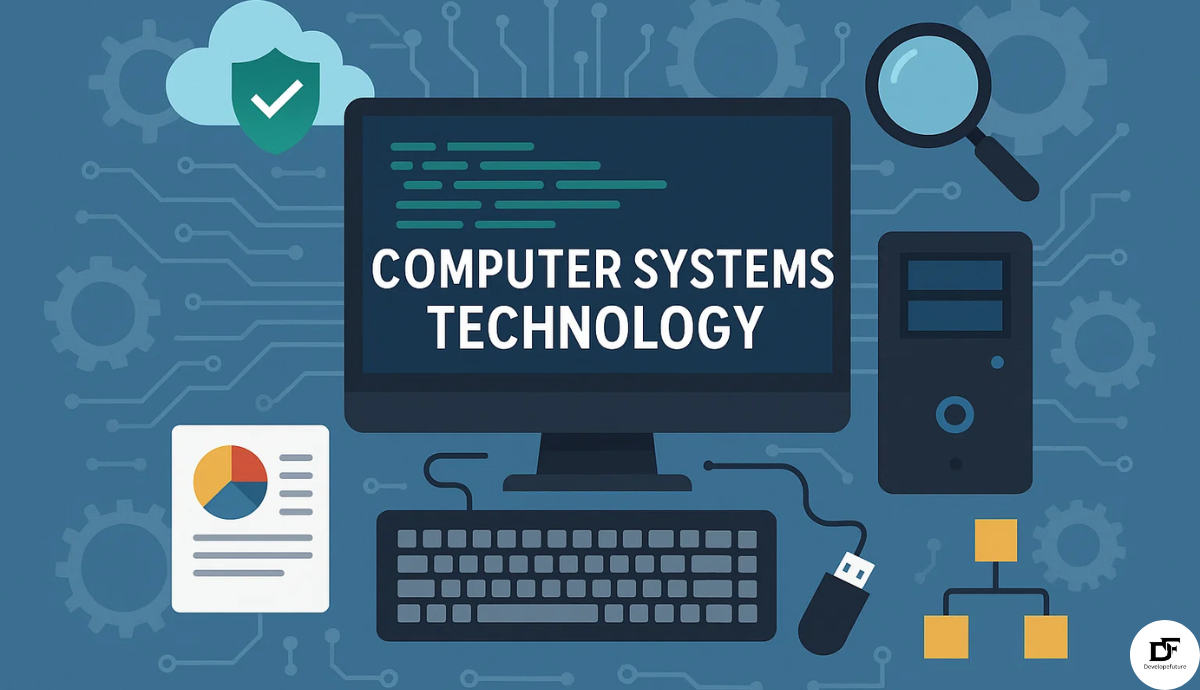

Technology literacy defines the ability to understand, use, and test technologies effectively. It involves critical thinking, ethical awareness, and practical skills for digital environments. Modern societies increasingly require technological literacy for education, employment, and civic participation. Being technology literate empowers individuals to adapt within rapidly evolving digital systems. This literacy supports informed decision making, problem solving, and lifelong learning habits.
Technology literacy extends beyond operating devices to understanding underlying concepts. It includes awareness of data, networks, software, hardware, and digital communication. Individuals learn how technologies influence behavior, economies, cultures, and social structures. This understanding helps users engage responsibly while recognizing benefits and potential risks. Technology literacy, thus, combines knowledge, skills, attitudes, and ethical considerations.
As technology reshapes everyday life, literacy becomes a foundational human competency. Education systems worldwide now emphasize digital skills alongside traditional academic knowledge. Workplaces demand employees who can adapt to tools, platforms, and information systems. Citizens need literacy to test online information and take part democratically. Thus, technology literacy supports personal growth and collective societal progress.
Table of Contents
Defining Tech Literacy Clearly and Practically
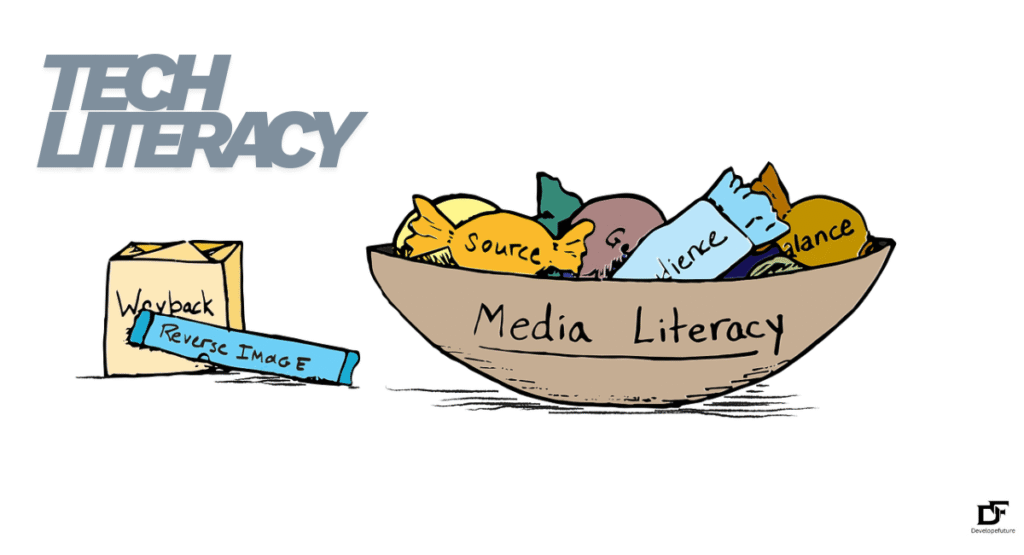
Technology literacy refers to understanding how technologies function and impact lives. It emphasizes purposeful use rather than passive consumption of digital tools. A literate individual can select appropriate technologies for specific tasks. They test the effectiveness, reliability, and consequences of technological choices. This definition highlights comprehension, application, and responsible judgment together.
Practical technology literacy balances theoretical understanding with real-world application. Users learn not only how tools work, but why they exist. They recognize limitations, biases, and assumptions embedded within technological systems. Such awareness prevents misuse and encourages thoughtful, intentional engagement. Thus, literacy connects technical skills with contextual understanding and ethics.
Core Skills Required for Tech Literacy
Technology literacy requires basic operational skills across common digital devices. These include using computers, mobile devices, and essential software applications. Users must navigate interfaces, manage files, and troubleshoot minor technical issues. Such foundational abilities enable independence and confidence when using technologies. Without these skills, deeper literacy development becomes significantly limited.
Beyond basics, literacy involves information evaluation and digital problem solving. Users assess sources, verify credibility, and recognize misinformation patterns online. They apply logical reasoning to resolve technical challenges efficiently. Creative thinking supports adapting tools for new purposes and contexts. Thus, skills expand from usage toward analysis, creativity, and evaluation.
Digital Information and Data
Technology literacy includes understanding how digital information is created and shared. Data originates from human input, sensors, algorithms, and automated systems. Literate users recognize that data accuracy depends on collection methods and context. They understand storage, retrieval, and transmission processes within digital networks. This knowledge supports responsible handling and interpretation of information.
Data literacy also involves privacy awareness and security best practices. Users learn how personal data is collected, tracked, and monetized. They adopt protective behaviors like strong passwords and cautious sharing habits. Understanding data rights empowers individuals to advocate for ethical practices. Thus, data comprehension strengthens autonomy and digital self-protection.
Tech Literacy in Education Systems
Educational institutions play a central role in developing technology literacy. Schools integrate digital tools to enhance learning and collaboration experiences. Students learn research, communication, and creativity through technology use. Educators teach critical evaluation of digital resources and online information. This preparation supports academic success and lifelong learning adaptability.
Effective education emphasizes concepts rather than specific changing tools. Students explore computational thinking, systems logic, and digital citizenship principles. Such approaches prepare learners for technologies not yet invented. Education encourages curiosity, experimentation, and responsible innovation mindsets. Thus, literacy education remains future-focused and adaptable.
Workplace Importance of Tech Literacy
Modern workplaces rely heavily on digital systems and automation technologies. Employees must understand the tools to maintain productivity and collaboration. Technology literacy supports efficient communication across platforms and remote environments. Workers adapt quickly to new software, workflows, and organizational systems. This adaptability increases employability and professional resilience significantly.
Beyond efficiency, literacy supports informed decision-making within organizations. Employees analyze data dashboards, reports, and automated recommendations critically. They recognize limitations of algorithms and avoid blind technological dependence. Ethical awareness guides responsible use of workplace technologies. Thus, literacy strengthens organizational effectiveness and ethical accountability.
Ethical and Responsible Tech Use
Technology literacy includes understanding the ethical implications of technological actions. Users consider impacts on privacy, equity, accessibility, and social well-being. They recognize technology can reinforce biases or create unintended harms. Ethical literacy encourages questioning design choices and usage consequences. Responsible users strive to cut harm while maximizing societal benefits.

Digital citizenship forms an essential component of ethical literacy. Individuals practice respectful communication and avoid harmful online behaviors. They understand intellectual property, copyright, and fair use principles. Awareness promotes accountability within digital communities and platforms. Thus, ethics guide positive, respectful, and lawful technology engagement.
Technology Literacy and Critical Thinking
Critical thinking underpins effective technology literacy development. Users question information accuracy rather than accepting outputs unquestioningly. They analyze algorithms, interfaces, and persuasive design techniques critically. Such skepticism reduces susceptibility to manipulation and misinformation. Critical thinking transforms users into active, empowered technology participants.
Literate individuals compare alternatives before adopting technological solutions. They weigh costs, benefits, risks, and long-term implications carefully. This evaluative approach supports strategic, informed technology choices. Critical thinking encourages continuous reflection and improvement practices. Thus, literacy strengthens reasoning within complex digital environments.
Bridging Digital Divides Through Literacy
Technology literacy helps address inequalities caused by digital divides. Access alone remains insufficient without skills and understanding development. Literacy initiatives empower marginalized communities through education and training. They enable participation in digital economies and civic processes. Thus, literacy promotes social inclusion and economic opportunity expansion.
Governments and organizations support programs improving fair literacy access. Community centers, libraries, and schools provide resources and guidance. Tailored training addresses diverse cultural, linguistic, and socioeconomic needs. Inclusive design ensures technologies remain usable for varied populations. Thus, literacy becomes a tool for social justice advancement.
Lifelong Learning and Technology Literacy Evolution
Technology literacy is not static; it evolves continuously over time. New tools, platforms, and systems must ongoing learning commitment. Literate individuals embrace curiosity and adaptability throughout their lives. They update skills proactively rather than reacting defensively to change. This mindset supports resilience within dynamic technological landscapes.
Lifelong literacy involves learning how to learn technologies independently. Users seek tutorials, communities, and documentation to build competence. Self-directed learning reduces dependency on formal instruction alone. Reflection on experiences deepens understanding and transferability. Thus, literacy becomes an enduring personal development process.
Technology Literacy and Societal Impact
Technology literacy shapes how societies adopt and govern innovations. Informed citizens contribute meaningfully to public technology policy discussions. They test societal risks and benefits associated with emerging technologies. Democratic participation improves when populations understand technological issues. Thus, literacy supports transparent, accountable technological governance.
Societal resilience increases when technology literacy becomes widespread. Communities respond better to disruptions, misinformation, and digital threats. Collective understanding fosters collaboration across sectors and disciplines. Shared literacy builds trust between citizens, institutions, and technologies. Thus, literacy underpins sustainable, inclusive technological progress.
FAQ’s
What does it mean to be technology literate?
Being technology literate means understanding, using, and evaluating technologies responsibly. It involves critical thinking, ethical awareness, and practical digital skills. Literate individuals adapt technologies to meet personal and professional needs. They recognize the benefits, limitations, and societal impacts of technologies. Thus, literacy combines knowledge, skills, and responsible judgment.
Why is technology literacy important today?
Technology literacy is essential due to widespread digital integration. Work, education, communication, and governance rely heavily on technologies. Literacy enables informed decisions and reduces risks of misinformation. It supports employability, civic participation, and personal empowerment. So, literacy underpins successful modern life participation.
How can someone improve their technology literacy?
Individuals improve literacy through practice, education, and curiosity. Learning basic digital skills builds confidence and independence. Critical evaluation of information strengthens analytical abilities. Engaging tutorials, courses, and communities support continuous learning. Thus, improvement requires intentional and ongoing effort.
Is technology literacy only about computers and internet use?
Technology literacy extends beyond computers and internet usage. It includes understanding systems, data, algorithms, and digital ethics. Physical technologies, automation, and emerging innovations also matter. Literacy focuses on concepts, not specific tools alone. Thus, it applies broadly across technological contexts.
How does technology literacy benefit society?
Technology literacy supports informed, engaged, and resilient societies. Citizens take part effectively in technological decision-making. It reduces inequalities by empowering diverse populations. Ethical awareness promotes responsible innovation and governance. Thus, literacy strengthens collective progress and social well-being.
Conclusion
Technology literacy represents a comprehensive blend of skills and understanding. It extends beyond usage toward critical, ethical, and contextual awareness. Literate individuals navigate digital environments confidently and responsibly. They adapt continuously as technologies evolve and societal needs change. This literacy empowers individuals and strengthens communities collectively.
As technology continues to reshape human experiences, literacy remains essential. Education, workplaces, and societies must rank inclusive literacy development. Ongoing learning ensures individuals remain capable, informed, and adaptable. Ethical awareness guides responsible technology creation and use. Ultimately, technology literacy supports sustainable progress and human flourishing.