
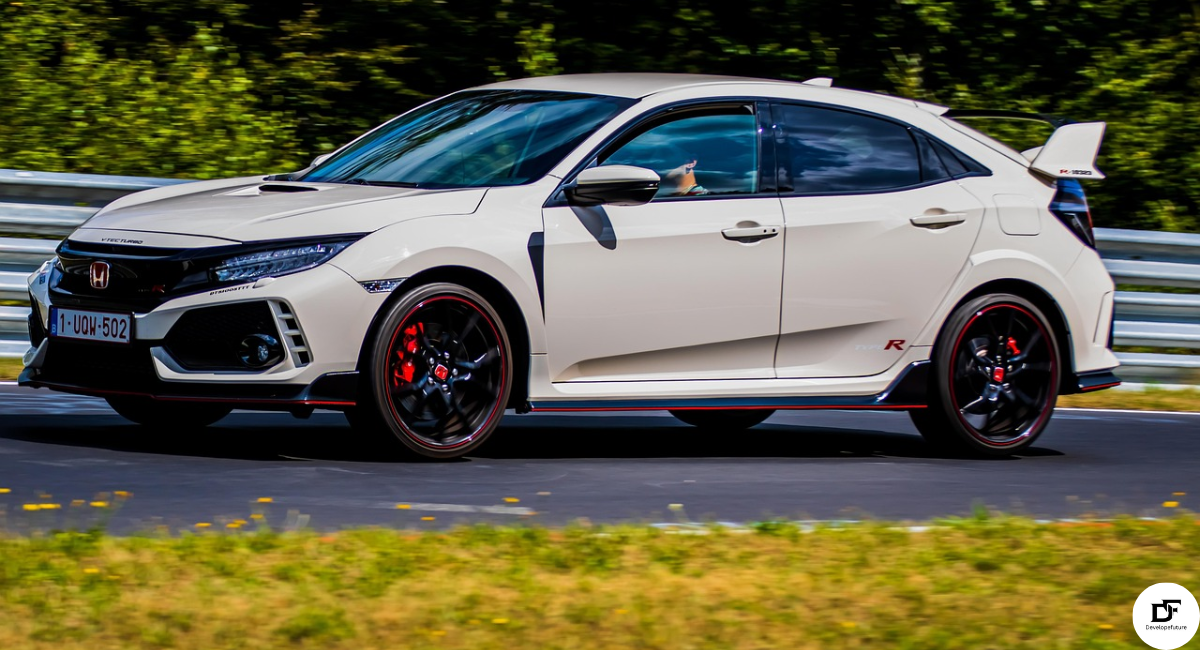
Modern vehicles use new technologies that help people drive more safely. These tools support drivers when handling difficult or unexpected road situations. Many upgrades make travel easier and reduce stress during heavy traffic. New systems also help lower the pollution created by older engines. These improvements give drivers confidence while traveling long or short distances.
Vehicle technology helps drivers by giving clear information about surrounding conditions. Sensors watch the road and warn drivers when problems appear. These tools reduce mistakes that often happen during sudden, dangerous moments. They help the vehicle stay steady even on challenging surfaces. Technology makes driving safer and more comfortable for everyone.
Car companies work hard to create better features for future vehicles. Teams test new ideas to make sure everything works correctly. These tools can help drivers escape danger or avoid accidents. Many systems react quickly and protect people during emergencies. Vehicle technology continues to improve and shape modern transportation today.
Table of Contents
Autonomous Driving Systems
Autonomous driving uses sensors that watch the road every single moment. These systems help cars move safely without the full human control always required. Special software studies information and decides how the vehicle should react. Cameras and radar detect objects that might create dangerous driving situations. These tools help cars move smoothly in many different environments.
Companies keep improving autonomous technology through advanced training computer programs everywhere. These programs learn patterns and adjust actions to increase safe performance. Cars using autonomous features often face fewer accidents during tests. This technology brings hope for safer roads with fewer human mistakes. Future improvements may make autonomous driving common in many cities.
Advanced Driver Help Technologies
Driver help tools help drivers stay safe during difficult road conditions. These features warn drivers when something nearby may cause harm. Cameras watch lane lines and help drivers stay steady within lanes. Automatic braking stops the vehicle when sudden obstacles appear ahead. These simple tools prevent accidents caused by late driver reactions.
Car makers design driver help tools to reduce stress during travel. Adaptive cruise control changes speed based on surrounding traffic flow. Blind-spot monitors warn drivers when cars appear in hidden areas. Lane alerts remind drivers when they begin drifting from marked lanes. These helpful systems make daily driving safer and easier.
Electric Vehicle Powertrain Improvements
Electric vehicle powertrains improve by making motors stronger and lighter today. Better motors help cars move quickly while using less stored energy. Batteries now hold more power, allowing longer travel without stopping. Cooling systems protect batteries from overheating during long or hot trips. These upgrades help electric vehicles handle different conditions more reliably.
Companies invest money to create faster charging options for drivers. New chargers reduce waiting time, making electric cars more practical. Smart systems manage battery power and extend life during usage. These improvements encourage more people to choose cleaner electric transportation. Electric vehicles are growing popular as technology becomes easier for everyone.

Vehicle Connectivity and Smart Integration
Connected vehicles use networks to deliver helpful real-time information everywhere. Drivers receive updates that make directions clearer and more accurate. These systems warn about traffic problems and suggest safer travel routes. Cars communicate with road systems to avoid dangerous traffic conditions. Connectivity turns vehicles into smart tools that support everyday driving.
Companies add cloud features that let drivers check cars remotely. Apps show car health and alert drivers before issues become serious. Systems send reminders for maintenance and important vehicle checks soon. Connectivity helps roads stay safer through shared information between systems. These tools build stronger and smarter transportation networks worldwide.
Infotainment System Enhancements
Infotainment systems make driving easier by giving helpful tools and entertainment. Touchscreens let drivers control features quickly with simple finger movements. Voice commands allow hands-free actions that reduce distractions while driving. Navigation maps show clear directions to help drivers reach destinations. These upgrades improve comfort and enjoyment inside modern vehicles.
New infotainment tools work smoothly with smartphones using simple connections. Drivers play music through apps linked by wireless pairing features. Screens display brighter images to improve reading during the day or night. Settings can be changed easily to match each driver’s needs. These systems make every ride more fun and user-friendly.

Fuel Efficiency and Engine Optimization
Fuel efficiency technology helps vehicles use less energy during travel. Engines burn fuel more cleanly, which helps reduce harmful pollution worldwide. Streamlined designs cut air resistance and improve speed performance. Lightweight parts reduce car weight and improve the smooth driving experience. These improvements save drivers money by reducing fuel costs daily.
Hybrid systems combine electric motors with gas engines for efficiency. These systems switch power sources to get the best performance possible. Regenerative braking saves energy by charging batteries during stops. Engine computers adjust power based on driving needs and conditions. Fuel efficiency tools support cleaner and healthier transportation everywhere today.
Safety Innovations and Crash Prevention
Safety technology protects drivers and passengers during dangerous travel situations daily. Collision systems detect obstacles and warn drivers before accidents happen. Modern seatbelts tighten automatically during sudden stops to prevent injuries. Airbags inflate quickly to soften impacts during strong collisions everywhere. These tools protect people and reduce harm during severe accidents.
Engineers test vehicle designs to make sure safety remains strong. Car structures absorb force to protect passengers during heavy crashes. Sensors watch important vehicle parts and report problems instantly. Emergency tools help when serious accidents happen on roads. Safety advancements continue to improve and reduce risks for all travelers.

Enhanced Lighting and Visibility Systems
Better lighting systems help drivers see clearly during dark nighttime travel. LED headlights shine brightly and show obstacles from long distances. Adaptive lights change direction based on driving conditions and road shape. Fog lights reduce glare and help drivers see through thick fog. These features make nighttime driving safer and more comfortable.
Car makers create smart lights that send signals to nearby drivers. Brake lights shine quickly to reduce the chances of rear-end crashes. Daytime running lights help other drivers notice cars more easily. Interior lighting helps drivers view controls and displays more clearly. Visibility upgrades keep drivers safe in many different conditions.
Navigation and Mapping Technologies
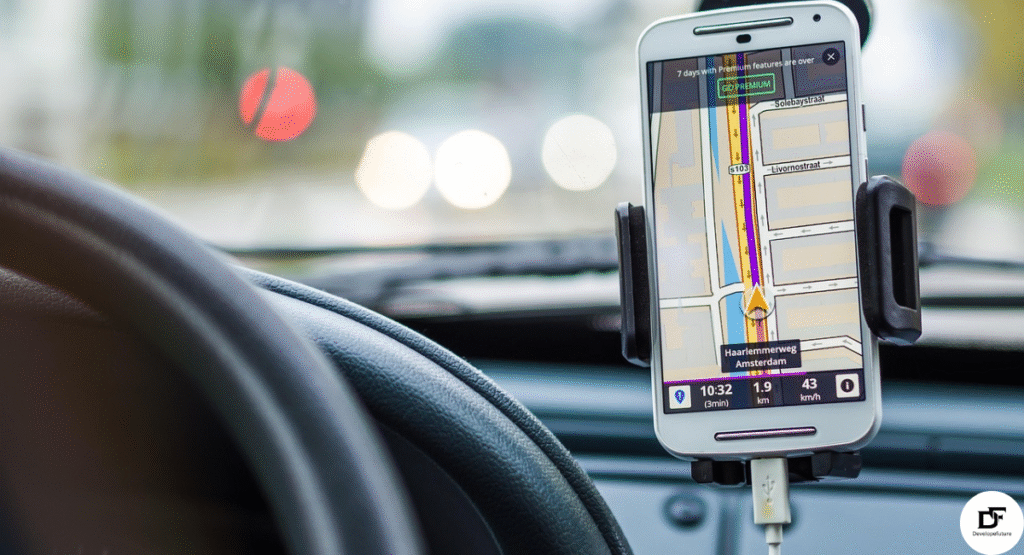
Navigation tools guide drivers using clear maps updated through connected services. Traffic updates show quicker routes and help avoid road delays. Drivers receive alerts about road hazards that may cause danger. Updated maps improve planning for long trips or unfamiliar locations. These tools make travel easier and help people drive confidently.
Mapping technology uses satellites to improve accuracy in many countries. Three-dimensional maps help drivers understand their surroundings more clearly. Voice directions allow drivers to follow routes without looking away. Traffic programs study patterns and warn about future slowdown points. Navigation upgrades offer smoother and more reliable travel experiences everywhere.
Sustainable Manufacturing and Material Technologies
Sustainable manufacturing reduces waste produced during vehicle building processes. Recycled materials replace older parts to support cleaner production today. Factories use renewable energy sources to lower harmful pollution releases. Engineers design durable parts that last longer than past versions. These steps help improve environmental safety across many vehicle factories.
New materials increase strength while also keeping vehicles lightweight and safe. Environment-friendly materials help reduce damage caused during production work. Companies choose responsible suppliers that protect natural resources responsibly. Sustainable vehicles still give drivers strong performance with lower environmental cost. These advancements support global goals for cleaner transportation solutions.
FAQ’s
What benefits do autonomous vehicle technologies provide for everyday drivers?
Autonomous tools help drivers stay safe by reacting faster than humans. Sensors watch the road and warn about dangers during difficult situations. These systems reduce accidents caused by slow reactions or distracted driving. They also lower stress by helping control the vehicle smoothly. Autonomous technology supports safer and more comfortable driving for everyone.
How do electric vehicle powertrains improve transportation efficiency?
Electric powertrains waste less energy and help cars move smoothly. Batteries store enough power for longer trips without many stops. Motors run quietly, which helps reduce noise around busy areas. These systems lower pollution and protect the environment effectively. Electric powertrains create cleaner and more efficient transportation choices today.
Why are connected vehicle technologies becoming increasingly important today?
Connected vehicles share real-time information that improves safety for drivers. They warn about traffic jams or dangerous road conditions ahead. Apps show important car problems before breakdowns happen unexpectedly anywhere. These systems support smoother travel across crowded city roads frequently. Connectivity helps build safer and smarter transportation networks worldwide.
What role do safety innovations play in modern vehicle development?
Safety tools protect passengers from serious injuries during harsh accidents. Sensors warn drivers about dangers before crashes actually happen. Strong vehicle structures help reduce impact force during collisions anywhere. Airbags and seatbelts work together to keep people safe. Safety innovations greatly reduce risks for everyone on the road.
How do navigation technologies enhance daily driving experiences?
Navigation tools give simple directions that help drivers stay confident. Real-time updates guide drivers around traffic delays more easily. Clear maps show hazards that may affect travel safely everywhere. Voice guidance helps drivers follow routes without looking away. Navigation tools make travel smoother and more convenient for everyone.
Conclusion
Vehicle technology helps make transportation safer, cleaner, and easier for everyone. These tools guide drivers and prevent accidents during busy daily travel. Engineers work hard to improve features that protect people everywhere. Many technologies reduce stress and help drivers stay focused longer. Modern systems support strong performance across different roads and weather conditions.
As technology grows, vehicles will continue becoming smarter and more helpful. Connected systems will share information and improve safety across communities. Electric vehicles will become easier to use with better batteries. Autonomous tools may someday guide vehicles safely without human control. Technology will continue shaping transportation in positive and important ways.