
Maritime technology refers to advanced tools supporting modern ocean-based industries. It combines engineering science and digital systems to improve maritime operations efficiency. This technology shapes shipping, fishing, defense research, and offshore energy sectors. Maritime technology evolved alongside human dependence on oceans for trade. Early navigation methods gradually transformed into complex automated maritime systems. Modern vessels rely heavily on integrated digital navigation and control technologies. These systems enhance safety, reduce costs, and improve environmental performance. Maritime technology supports global trade through efficient sea transportation networks.
The maritime sector connects continents, enabling economic growth through globalized commerce. Technological innovation ensures ships operate safely under challenging ocean conditions. Maritime technology includes shipbuilding, navigation, communication, and propulsion systems. It integrates hardware, software, and human expertise into coordinated operational frameworks. Advancements continue addressing climate change, sustainability, and maritime security challenges. Digitalization, automation, and artificial intelligence increasingly define maritime operations. Maritime technology now influences port logistics and international supply chains. Its importance grows as global reliance on maritime transport continues to expand.
Understanding maritime technology helps appreciate its role in modern society. It supports food supply chains through efficient fishing and aquaculture practices. Energy exploration offshore platforms rely heavily on advanced maritime technologies. Naval defense systems depend on cutting-edge maritime engineering solutions. Research vessels use specialized technologies to study oceans and climate patterns. Maritime technology ensures safer seas and sustainable ocean resource management. Its development requires collaboration between engineers, scientists, policymakers, and operators. This article explores maritime technology components, applications, benefits, and future directions.
Table of Contents
Evolution of Maritime Technology Through History
Maritime tech began with simple boats crafted from wood materials. Ancient civilizations developed sails, rudders, and basic navigation techniques. Celestial navigation allowed sailors to traverse vast open oceans confidently. Shipbuilding knowledge passed through generations, refining hull designs and vessel stability. Trade expansion encouraged technological improvements in maritime transportation methods.
The Industrial Revolution introduced steam engines, transforming maritime propulsion systems. Iron and steel ships replaced wooden vessels, improving durability and capacity. Navigation instruments like compasses and charts became increasingly accurate. Global trade expanded rapidly due to faster, more reliable maritime transport. These advancements laid the foundations for modern maritime technology systems.
Core Components of Modern Maritime Technology
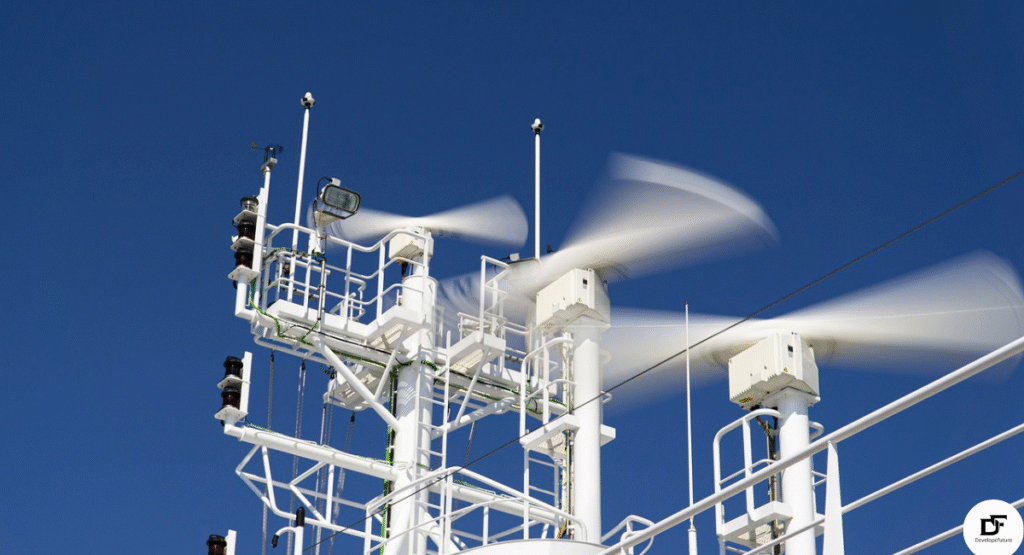
Modern maritime tech consists of navigation, propulsion, communication safety systems. Each component plays a vital role in ensuring efficient vessel operations. Integrated systems allow real-time data sharing across ship functions. Automation reduces human error, improving safety and operational accuracy. These components work together to support complex maritime activities worldwide.
Navigation systems include GPS, radar, electronic charts, and sonar technologies. Propulsion systems involve engines, fuel management, and power distribution technologies. Communication systems enable ship-to-ship and ship-to-shore coordination. Safety systems monitor stability, fire hazards, and emergency response readiness. Combined technologies enhance reliability and maritime operational performance significantly.
Maritime Tech in Ship Design and Construction
Ship design relies heavily on advanced maritime engineering technologies. Computer-aided design tools optimize hull efficiency and fuel consumption. Simulation software tests vessel performance before physical construction begins. These tools reduce costs while improving safety and structural integrity. Modern shipbuilding emphasizes efficiency, sustainability, and regulatory compliance.
Advanced materials like composites improve strength while reducing vessel weight. Automation in shipyards accelerates construction and improves build consistency. Precision manufacturing enhances quality control during complex assembly processes. Smart sensors embedded during construction support future maintenance monitoring. Ship design technology directly impacts operational efficiency and lifespan.
Navigation and Positioning Technologies at Sea
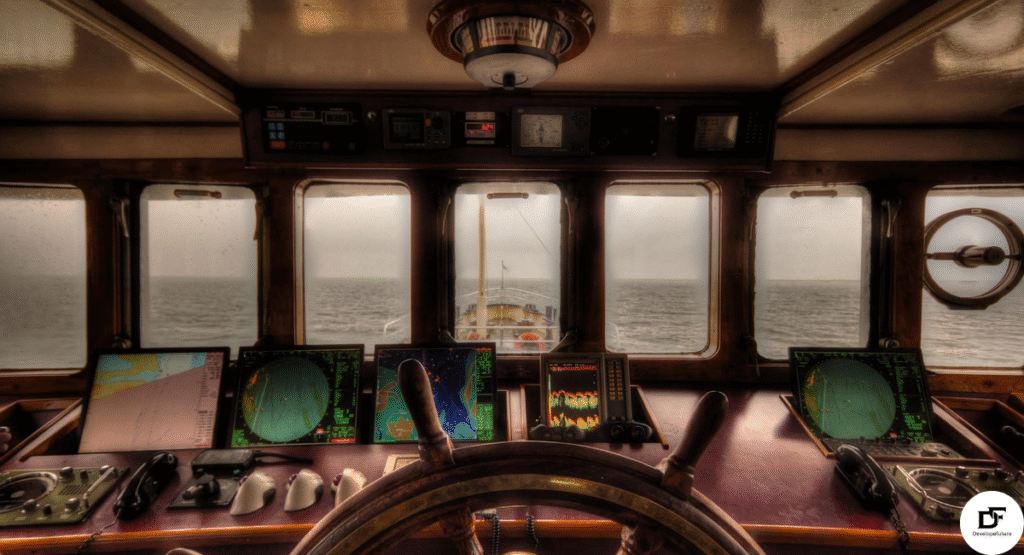
Accurate navigation remains fundamental to maritime technology effectiveness. Global positioning systems provide precise, real-time vessel location data. Radar systems detect nearby ships, obstacles, and adverse weather conditions. Electronic charts replace paper maps, improving navigational accuracy significantly. These tools support safe navigation across busy international waterways.
Automatic identification systems share vessel information, enhancing collision avoidance. Sonar technology assists underwater navigation and depth measurement tasks. Integrated bridge systems centralize navigation data for crew decision-making. These technologies reduce accidents and improve route planning efficiency. Navigation advancements ensure safer seas and optimized maritime travel.
Communication Systems in Maritime Operations
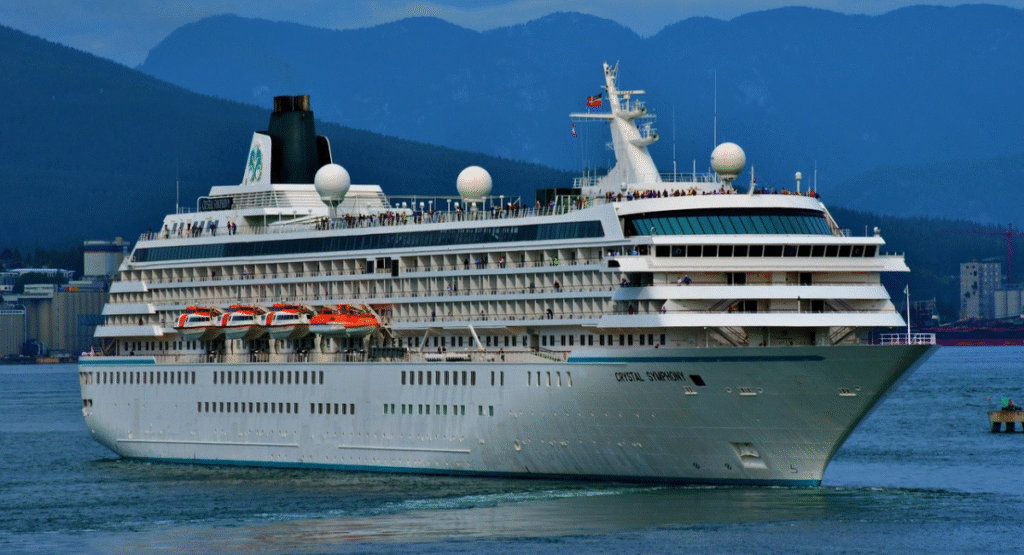
Maritime communication technology enables continuous information exchange at sea. Satellite systems provide global connectivity beyond coastal communication ranges. Radio communication remains essential for emergency and routine coordination. Digital communication platforms support operational planning and reporting requirements. Effective communication ensures safety compliance and operational transparency.
Modern ships transmit data regarding position, cargo, and weather conditions. Shore-based centers monitor vessels, ensuring regulatory and safety oversight. Communication technology supports search and rescue coordination globally. Cybersecurity measures protect maritime communication networks from threats. Reliable communication strengthens maritime operational resilience and coordination.
Maritime Safety and Security Technologies
Safety remains a primary focus within maritime tech development. Advanced monitoring systems detect hazards before incidents escalate. Fire detection, suppression, and stability systems protect crew vessels. Emergency response technologies improve survival outcomes during accidents. Safety technologies significantly reduce maritime operational risks globally.
Security technologies address piracy, smuggling, and unauthorized maritime activities. Surveillance systems track vessel movements across strategic sea routes. Access control technologies protect ships, ports, and offshore installations. Naval defense systems rely on sophisticated maritime security technologies. These systems safeguard maritime trade and international security interests.
Environmental Sustainability and Maritime Tech
Maritime tech increasingly addresses environmental sustainability concerns. Fuel-efficient engines reduce emissions and operational environmental impact. Alternative fuels like LNG and hydrogen are gaining maritime industry adoption. Emission monitoring systems ensure compliance with environmental regulations. Sustainable technologies protect oceans while supporting maritime commerce.
Ballast water treatment systems prevent invasive species transfer. Waste management technologies reduce marine pollution from ships. Energy-efficient hull designs lower fuel consumption significantly. Renewable energy technologies support auxiliary ship power needs. Environmental innovation shapes responsible future maritime operations globally.
Digitalization and Automation in Maritime Tech
Digitalization transforms traditional maritime operations into smart systems. Automation reduces manual workload and improves operational accuracy. Data analytics optimize maintenance, fuel usage, and route planning. Digital twins simulate vessel behavior for predictive maintenance planning. These technologies enhance efficiency, reliability, and cost management.
Autonomous ships represent emerging advancements in maritime automation. Remote monitoring enables shore-based control of vessel operations. Artificial intelligence supports decision-making during complex maritime scenarios. Cybersecurity becomes critical in protecting automated maritime systems. Digital transformation reshapes future maritime industry operations significantly.
Role of Maritime Tech in Global Trade
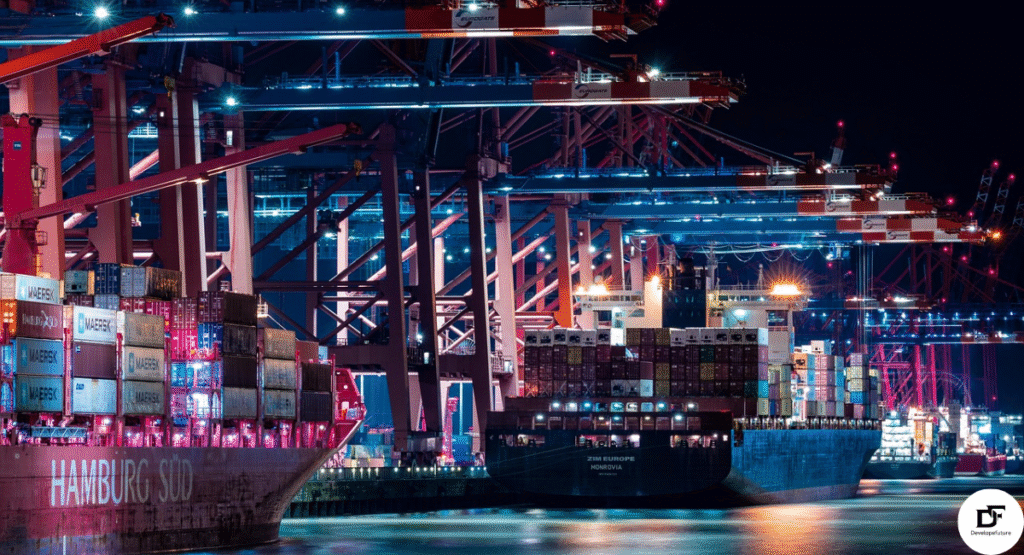
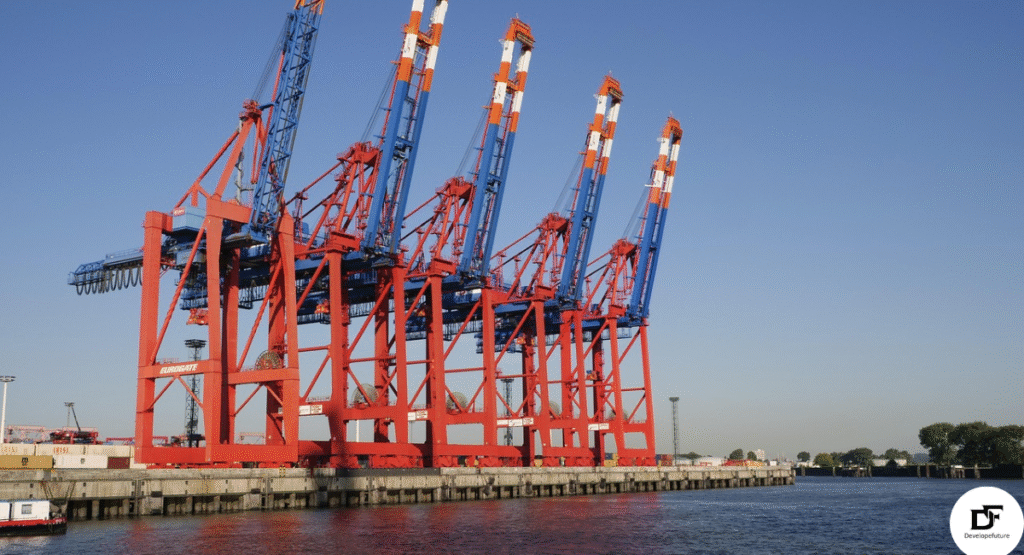
Maritime tech underpins global trade through efficient logistics networks. Containerization technology revolutionized cargo handling and transportation. Port automation speeds loading, unloading, and customs clearance processes. Supply chain visibility improves through digital maritime tracking systems. These advancements support timely, reliable international goods movement.
Modern ports integrate maritime technology with land transportation systems. Smart ports optimize traffic flow, energy use, and security. Shipping efficiency reduces transportation costs, benefiting global economies. Maritime trade supports employment, economic growth, and globalization. Technology ensures maritime trade remains competitive, sustainable, and resilient.
Future Trends in Maritime Tech Development
Future maritime tech focuses on sustainability, automation, and resilience. Green technologies will dominate future ship design and operations. Autonomous vessels may transform shipping logistics and labor structures. Digital integration across maritime sectors will continue accelerating. Innovation addresses climate change, security, and operational efficiency challenges.
International collaboration supports standardized maritime technology development. Research investment drives breakthroughs in materials, energy, and automation. Training programs prepare the workforce for advanced maritime technologies. Regulatory frameworks adapt to technological and operational changes. Future maritime technology ensures safer, smarter, and cleaner oceans.
FAQ’s
What is maritime technology?
Maritime tech includes tools and systems supporting ocean-based industries. It covers navigation, communication, shipbuilding, safety, and environmental technologies. These technologies enhance efficiency, safety, and sustainability in maritime operations. They support shipping, fishing, defense research, and offshore energy sectors. Maritime technology underpins global trade and ocean resource management. Its applications continue expanding through digitalization and automation advances. Understanding maritime technology helps explain modern ocean-based economies. It remains essential for safe, sustainable maritime activities worldwide.
Why is maritime technology important?
Maritime technology ensures safe, efficient transportation across global seas. It supports international trade, economic growth, and food supply chains. Safety technologies reduce accidents, protecting lives, vessels, and environments. Environmental technologies help mitigate pollution and climate impacts. Security systems safeguard maritime routes against global threats. Technological efficiency reduces operational costs and fuel consumption. It enables the sustainable utilization of ocean resources responsibly. Maritime technology connects nations through reliable global shipping networks.
How does maritime technology support environmental protection?
Maritime technology reduces emissions through efficient engines and fuels. Monitoring systems ensure compliance with environmental maritime regulations. Waste management technologies prevent ocean pollution from ships. Ballast water treatment protects marine biodiversity from invasive species. Energy-efficient designs lower fuel usage and emissions significantly. Renewable energy supports auxiliary ship power systems onboard. Environmental innovation promotes sustainable maritime industry practices. Technology balances economic activity with ocean ecosystem preservation.
What careers involve maritime technology?
Maritime technology supports engineering, navigation, logistics research careers. Ship designers develop efficient vessels using advanced technologies. Marine engineers maintain propulsion and onboard technical systems. Navigation officers operate sophisticated electronic navigation equipment. Port managers oversee automated logistics and security systems. Researchers study oceans using specialized maritime technologies. Cybersecurity experts protect digital maritime systems and networks. These careers support global maritime industry advancement continuously.
What is the future of maritime technology?
Future maritime technology emphasizes sustainability, automation, and digitalization. Autonomous ships may redefine shipping operations and logistics models. Green fuels and energy-efficient designs will dominate vessel development. Artificial intelligence supports predictive maintenance and navigation decisions. Cybersecurity will remain critical to protecting connected maritime systems. International collaboration shapes standardized technological development efforts. Workforce training adapts to advanced maritime technology requirements. Future innovations ensure safer, cleaner, and smarter maritime operations.
Conclusion
Maritime technology plays a critical role in modern global society. It supports trade, security, energy research, and environmental protection. Technological integration enhances safety, efficiency, and sustainability across oceans. Maritime innovation continues to adapt to evolving global challenges. Understanding maritime technology highlights its importance for future development. Its influence extends beyond ships into economies, ecosystems, and security. Continued advancement requires collaboration, innovation, and responsible governance. Maritime technology remains essential for connected, sustainable global progress.
As oceans remain vital resources, maritime technology ensures their responsible use. Balancing economic growth with environmental protection guides future innovations. Education, research, and investment drive technological maritime progress forward. Policy frameworks support safe, ethical, and sustainable maritime operations. Maritime technology will shape global connectivity for generations ahead. Its continued evolution strengthens resilience across maritime industries worldwide. Strong technological foundations ensure safer seas and reliable trade. Maritime technology defines humanity’s enduring relationship with the oceans.