
Listening technology helps people hear more clearly and connect with others more easily. It allows those with hearing problems to enjoy clear communication. Today, it is part of daily life for millions worldwide.
Over time, listening technology has improved from simple devices to smart tools. These modern devices adjust sound automatically depending on the environment. This makes hearing smoother and more natural in every situation.
Listening technology now supports learning, working, and social interaction for everyone. It brings comfort, confidence, and independence into people’s lives every day. The goal is to make hearing equal and easy for all.
Table of Contents
The Evolution and Importance of Listening Tech in Society
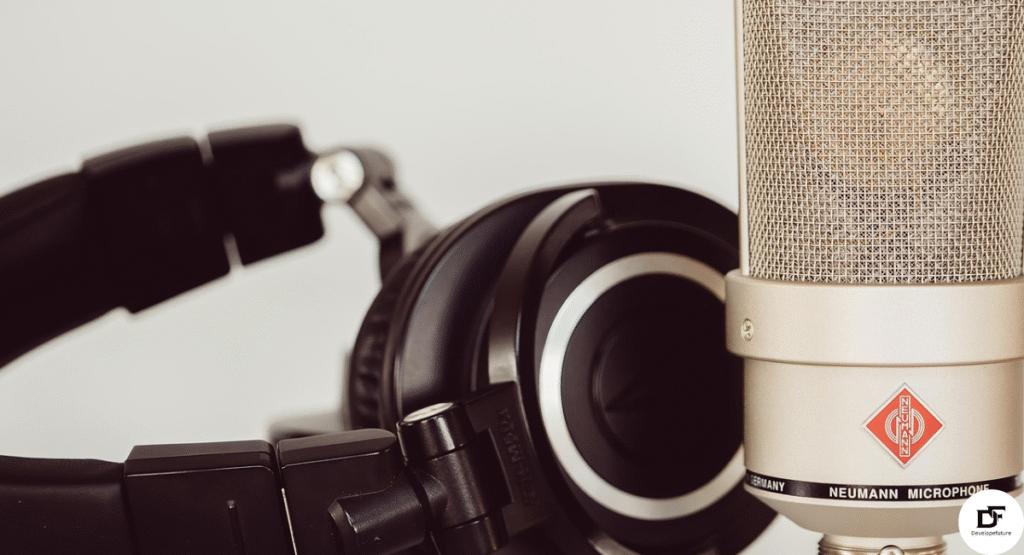
Listening technology has changed a lot since the early hearing aids. In the past, hearing devices only made sounds louder for users. Now, modern designs use digital systems to make sound clearer. This helps people understand speech better in noisy or quiet places.
Listening technology plays an important role in connecting people worldwide daily. It helps individuals with hearing loss communicate easily with others around. People gain confidence and freedom when they can hear clearly again. Society becomes stronger when everyone can share ideas without barriers.
How Listening Tech Improves Daily Communication and Relationships
Good communication is built on a clear understanding between two or more people. Listening devices make this possible by reducing background noise and confusion. They allow people to talk easily in crowded or noisy areas. Better hearing helps people stay connected with friends and family members.
Relationships grow stronger when people can communicate clearly every single day. Listening devices help users take part in conversations without feeling left out. They make social situations more comfortable and enjoyable for everyone involved. This improves both emotional well-being and mutual understanding among loved ones.

The Role of Listening Tech in Education and Learning
Listening tech helps students who have trouble hearing in classrooms. Teachers can use microphones connected directly to hearing devices for clarity. This makes it easier for students to follow lessons and discussions. It ensures that every learner has equal access to education.
Students using listening technology often perform better in school every day. They can hear instructions, ask questions, and join classroom conversations confidently. This leads to better focus, motivation, and improved academic results . Inclusive learning environments help students succeed without any communication barriers.
Enhancing Workplace Productivity Through Advanced Listening Devices
Listening tech improves communication and teamwork in professional work environments today. It helps employees clearly hear instructions, meetings, and discussions during the day. This reduces misunderstandings and mistakes that can affect work performance. Better hearing also increases confidence and comfort in professional communication settings.
Many workplaces now use advanced hearing technology for inclusive communication purposes. These smart devices connect easily with phones, computers, and conference systems. Employees can move between in-person and virtual meetings without difficulty. Better communication leads to higher productivity and stronger workplace collaboration .
The Technological Innovations Behind Modern Listening Devices
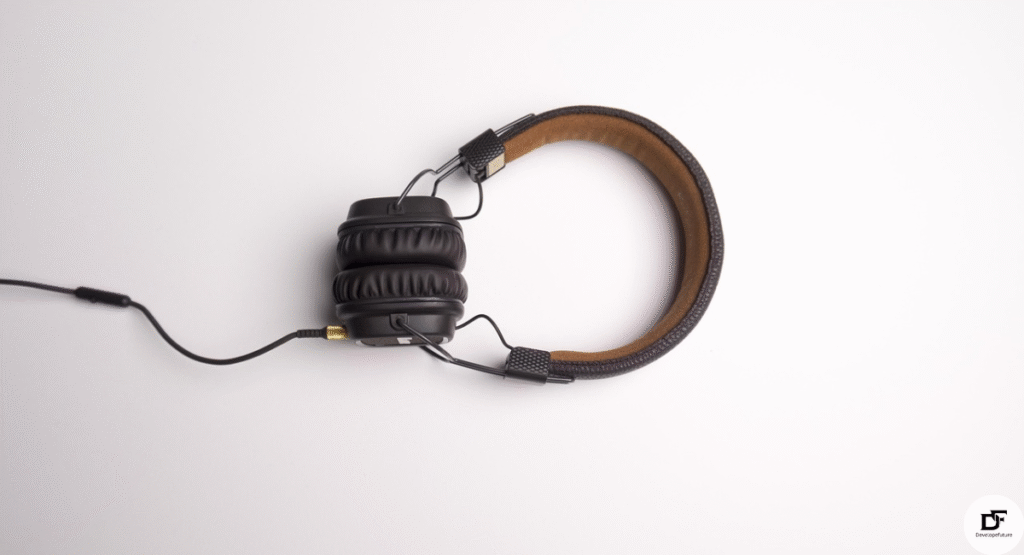
Modern listening devices are powered by advanced digital and smart technologies. They use artificial intelligence to adjust sounds based on environments automatically. Directional microphones help focus on speech while reducing background noise. These features provide a natural and balanced listening experience for users.
Connectivity is another big improvement in today’s listening technology systems worldwide. Devices now link directly to phones, televisions, and computers wirelessly. People can stream calls, movies, or music through their hearing devices. These smart features make listening more convenient and enjoyable for everyone.
Listening Tech and Its Positive Impact on Mental Health
Hearing loss can cause sadness, loneliness, and social isolation for people. Listening tech helps overcome these feelings by restoring communication and confidence. When people hear clearly again, they feel more connected and happy. This emotional balance improves mental health and quality of life.
Listening devices also reduce stress caused by trying hard to hear sounds. Users can relax and focus on conversations without frustration or anxiety. Clear hearing brings peace of mind and reduces daily tension. This mental comfort helps people live calmer and healthier lives .

Accessibility and Affordability of Listening Technology for All People
Listening technology is becoming more available and affordable in many countries. Organizations and governments are helping make hearing care easier to access. Low-cost programs and subsidies ensure everyone can receive needed devices. These efforts promote inclusion and equality among people with hearing challenges.
Manufacturers now design budget-friendly hearing aids with strong sound performance levels. Many devices include rechargeable batteries to reduce ongoing maintenance costs. Smartphone apps help users control and personalize their hearing experience easily. This progress ensures that hearing support reaches people from every background.
The Integration of Artificial Intelligence in Listening Technology
Artificial intelligence makes listening devices smarter and more responsive than ever. AI systems analyze sound environments and adjust automatically in real-time. They help users hear speech clearly even in noisy surroundings easily. This technology improves accuracy, comfort, and sound quality for all users.
Machine learning lets devices remember user preferences for different listening situations. The device learns how users like sound during conversations or outdoor moments. Over time, it personalizes settings for maximum clarity and convenience automatically. This makes listening effortless and suited to individual daily lifestyles perfectly.
Listening Technology in Healthcare and Rehabilitation Settings
Listening technology plays a big part in medical and hearing rehabilitation today. Audiologists use advanced tools to fit hearing aids based on patient needs. These devices collect data that helps doctors monitor progress and improvement. This personalized approach ensures patients receive the best possible hearing care.
In therapy, listening technology helps patients regain confidence while communicating clearly. Hearing devices let them participate in discussions and group sessions comfortably. This active engagement improves social skills and supports faster recovery outcomes. Listening technology works as both medical equipment and emotional healing support.
The Future of Listening Technology and Its Expanding Potential
The future of listening technology looks exciting with many upcoming innovations. Scientists are developing smaller, smarter, and energy-efficient hearing devices globally. Future models may include live language translation and real-time voice assistance. These advancements will make hearing easier, faster, and more interactive daily.
Listening technology will soon integrate with wearable’ health and fitness devices. It may track wellness data like heart rate and stress automatically. This can help doctors understand patients’ health conditions in deeper ways. The future promises powerful listening tools that connect health and hearing together.
FAQ’s
What is listening technology and how does it work?
Listening technology includes devices like hearing aids that make sounds clearer. They capture sound waves, process them digitally, and deliver enhanced hearing. Some advanced devices adjust automatically to background noise and speech levels. This helps people communicate better in every type of environment easily.
Who can benefit from using listening technology?
Anyone who has hearing problems or difficulty understanding speech can benefit. Children, adults, and elderly people all gain from better hearing clarity. It improves focus, confidence, and connection with others during conversations daily. Listening technology supports a more independent and socially active lifestyle for users.
How has artificial intelligence improved listening technology?
Artificial intelligence makes listening devices smarter and more efficient today. It recognizes background noise and enhances important sounds like human voices. The technology automatically learns user preferences for clearer hearing experiences daily. AI makes hearing devices more adaptive and responsive for modern everyday needs.
Are modern listening devices affordable and easy to use?
Yes, modern listening devices are becoming more affordable and user-friendly daily. Many models connect to smartphones and use rechargeable batteries conveniently. Apps allow users to control volume and adjust sound preferences easily. Financial aid programs also make hearing devices more accessible to everyone.
What future innovations can we expect in listening technology?
Future listening devices will include real-time translation and health monitoring features. They will become smaller, lighter, and more eco-friendly over time. Smart connectivity will allow smoother interaction with digital devices and apps. These innovations will make hearing even easier and more natural worldwide.
Conclusion
Listening has become a life-changing innovation in today’s modern society. It improves communication, supports relationships, and strengthens confidence for many individuals. People can now live fuller lives without barriers caused by hearing difficulties.
The growth of technology has made hearing care easier and affordable. From classrooms to workplaces, listening devices are creating inclusive environments everywhere. This progress helps build a society where everyone can communicate freely.
Listening technology reminds us that understanding begins with clear hearing connections. By helping people listen better, we make stronger human relationships possible. The future of listening technology promises equality, accessibility, and endless improvement.